‘I want to create licensed electricians’
November 16, 2026
‘I want to create licensed electricians’
November 16, 2026
Two weeks of training, 2,100 applicants and a potential jobsite waiting at the end. Here’s how Kiewit is building its own electricians.
David Silva wore work boots to school every day he taught high school. He lived eight minutes from the building, and he liked telling his students what that meant: if he ever decided to leave, as a licensed electrician, he could have a new job before he got home. Opening his students’ eyes to those opportunities is the reason he chose to teach.
Silva had been on Kiewit’s radar for years. His students competed in SkillsUSA, where Kiewit judged the state competition and recruited from it. Job offers floated his way from the company a handful of times, but he said no every time, wanting to remain in the classroom. Then a posting for an electrical training coordinator in Dallas turned up one day as he was closing browser tabs. He finally accepted the position on one condition: “As long as we’re creating licensed electricians, that’s what I want to do.”
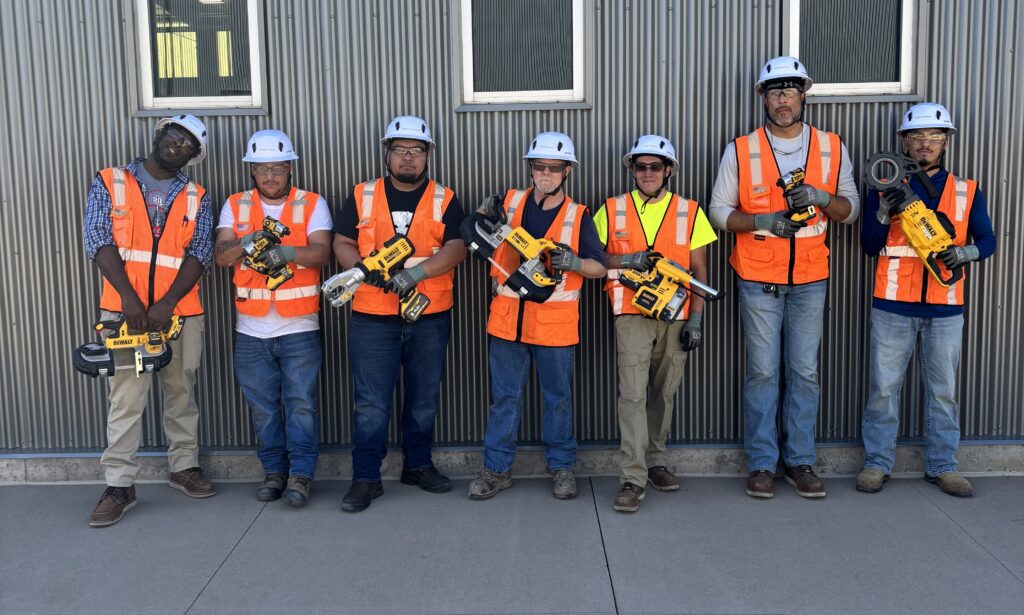
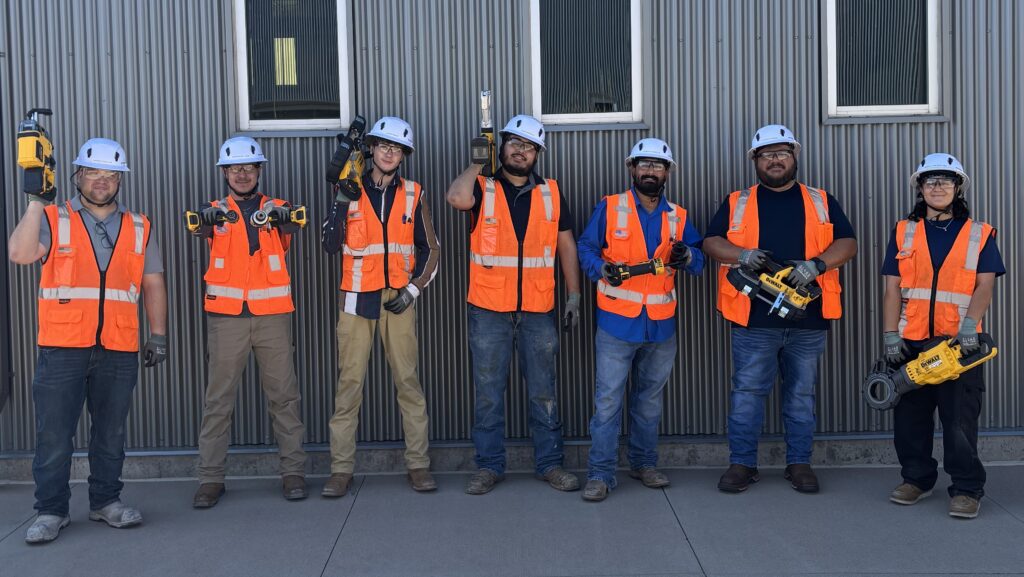
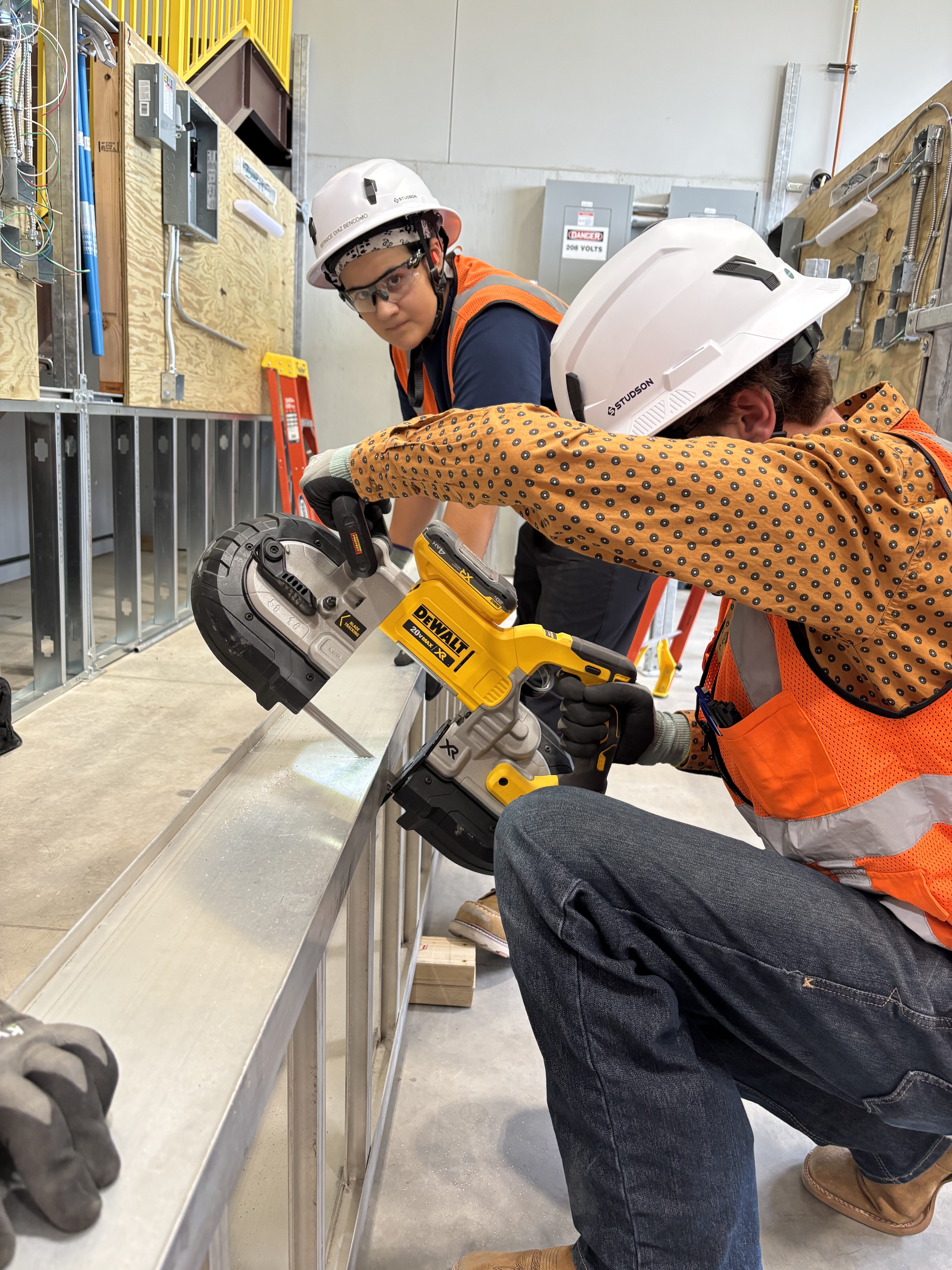
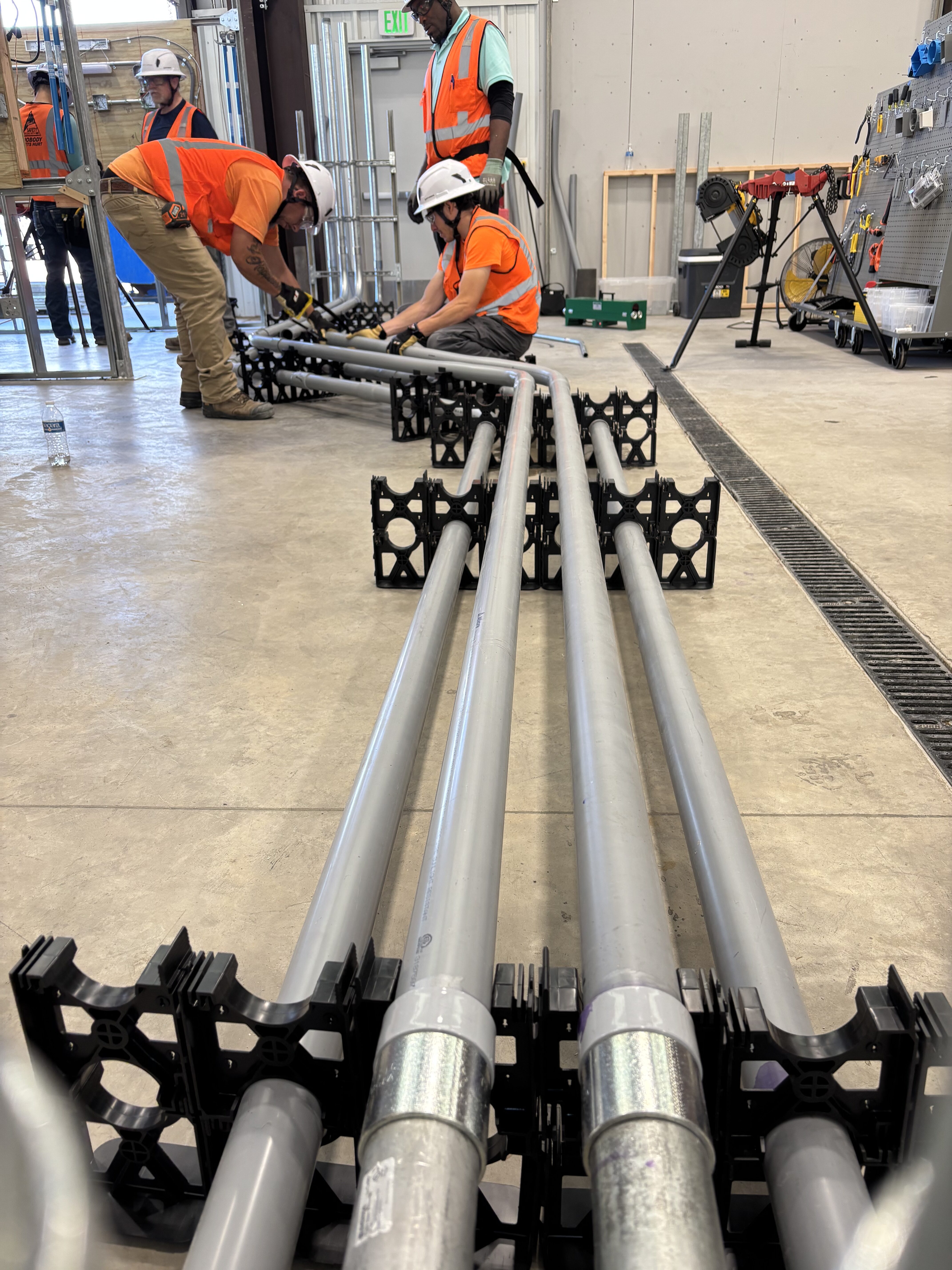
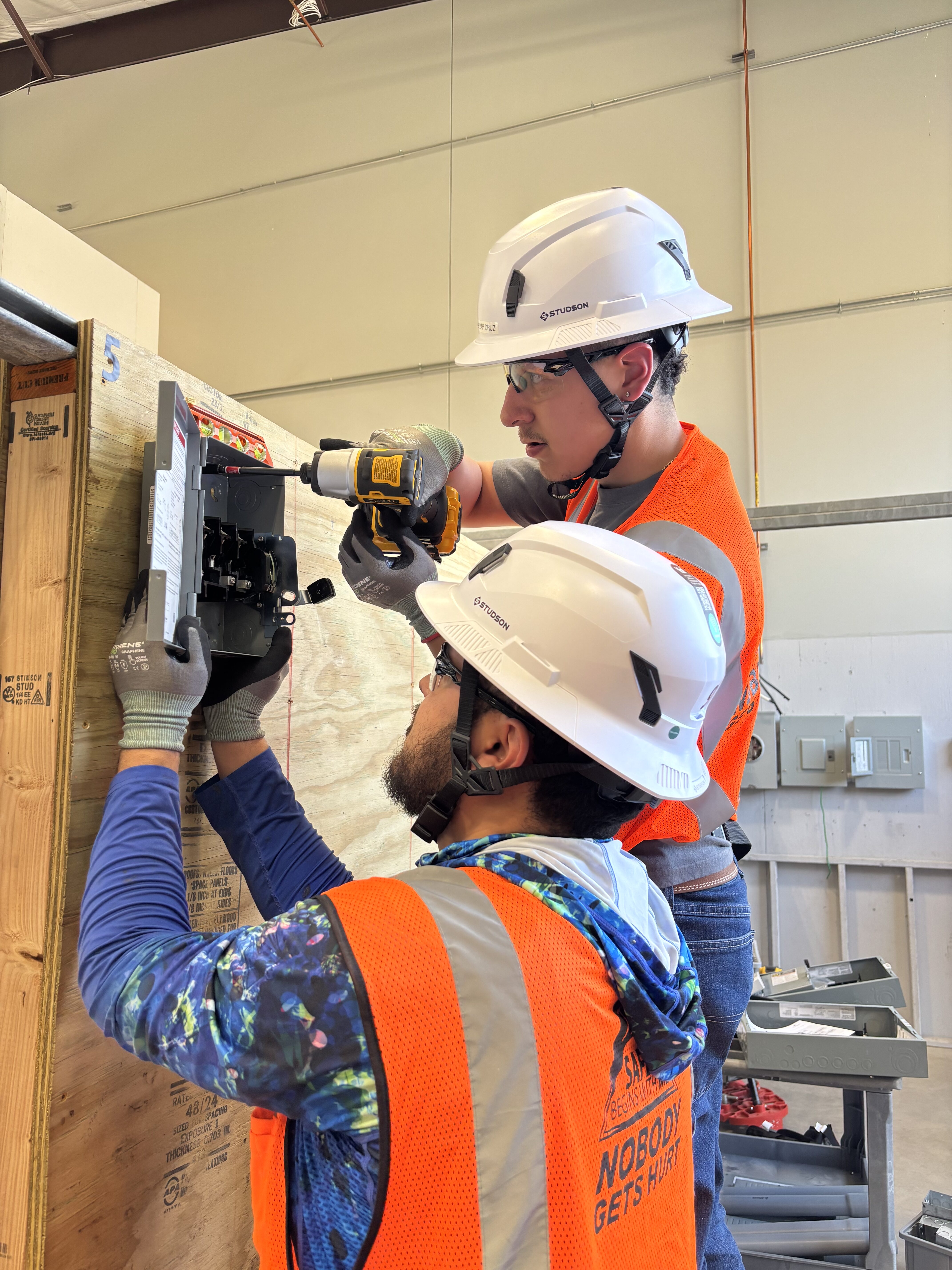
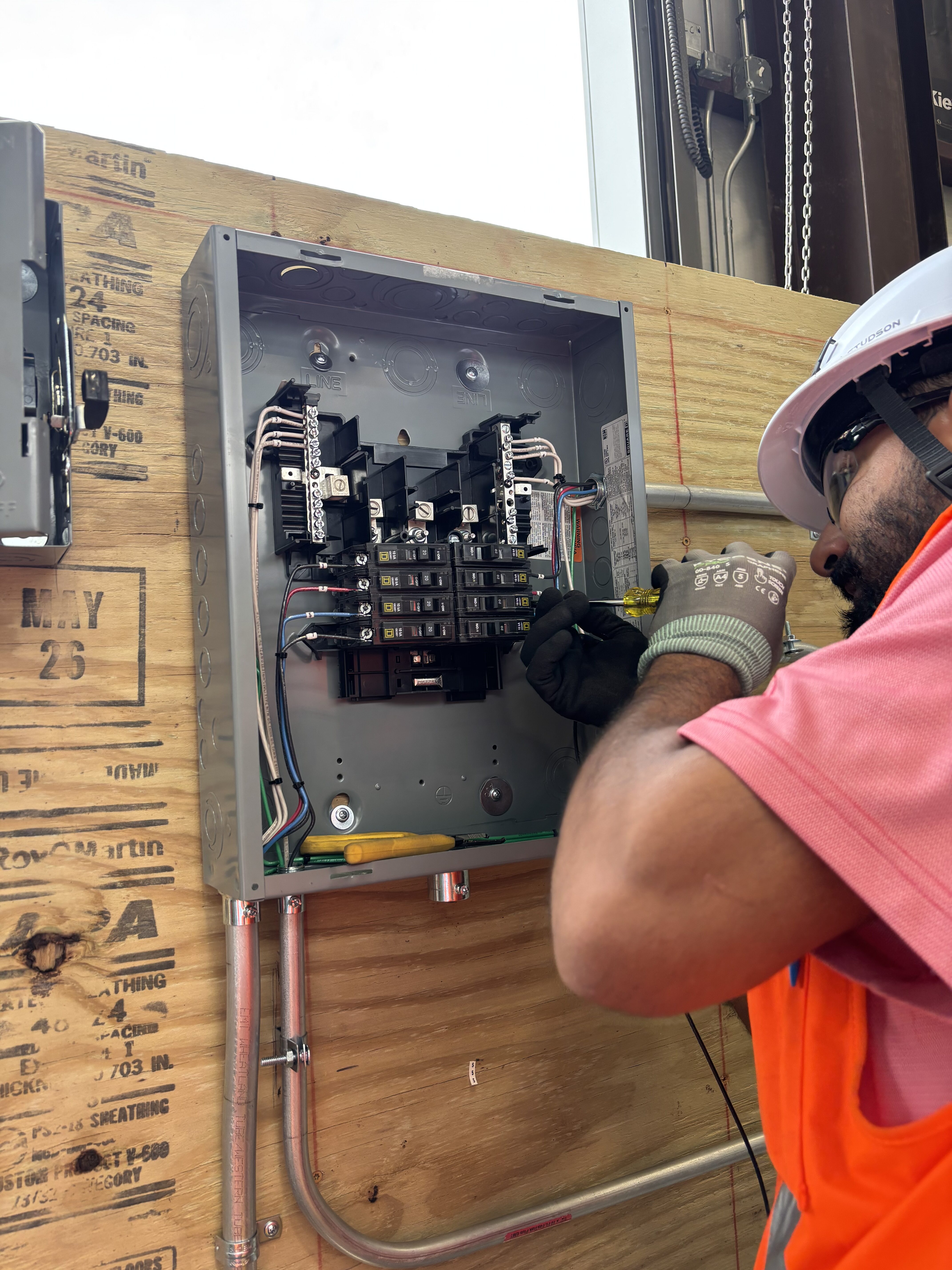
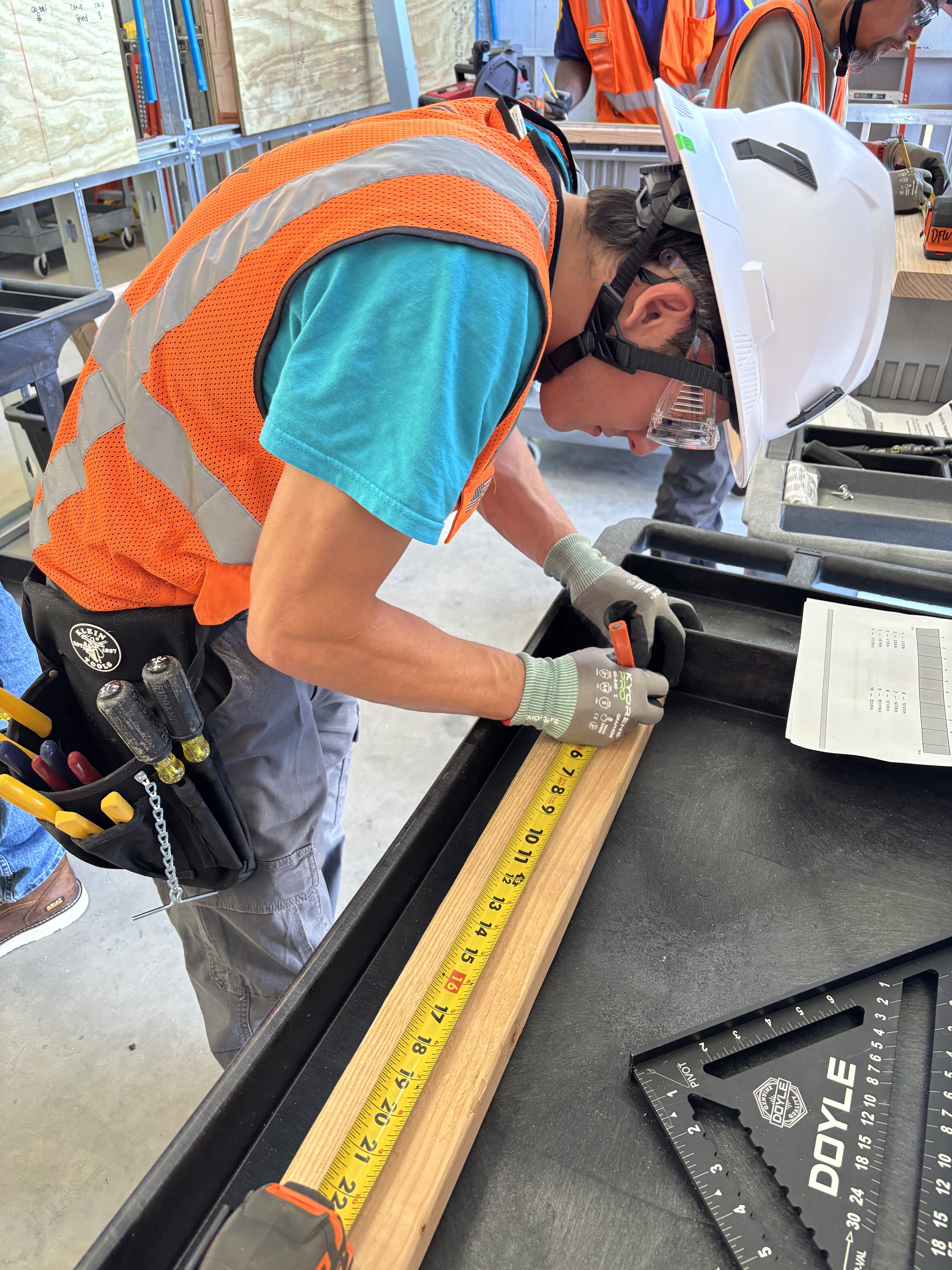
He was hired in June and spent his first weeks in a room with Carlos Hernandez, a training engineer, writing curriculum. What they built is the Electrical Training Program, a paid two-week introduction to the trade that prepares people with little or no electrical experience for entry-level roles on Kiewit jobsites under qualified supervision. Further field experience and training support participants’ longer-term development toward journeyman licensure.
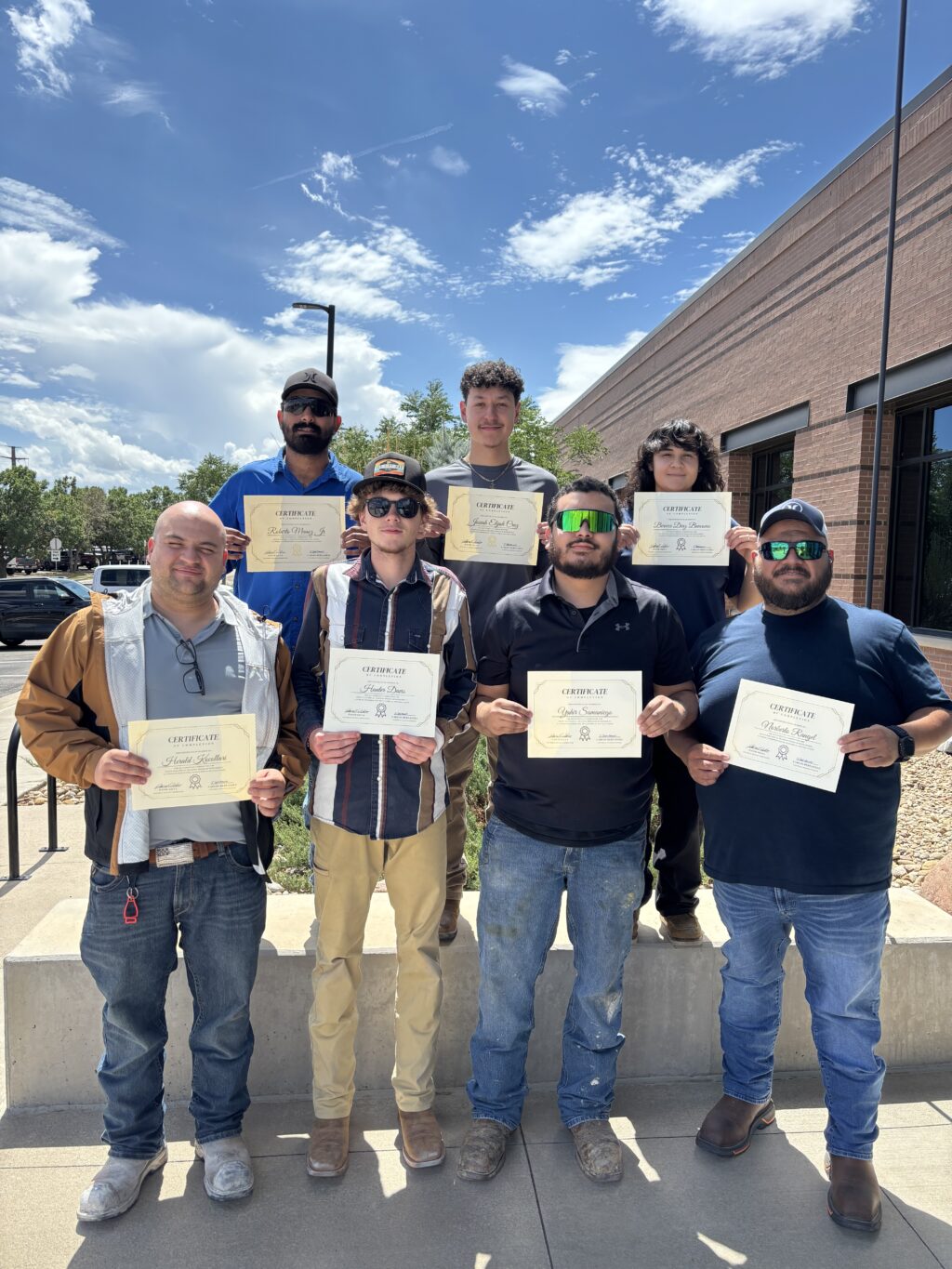
Silva, a master electrician, was its first instructor. The first class finished Aug. 14. The fifth finished in early November. By Nov. 10, about 2,100 people had applied.
For Silva, the connection between training and a future in the trade is essential. Kiewit’s trainees are hired on the first day of class, and those who pass the course are offered a position on a project.
“David challenges our students to grow, and because most arrive without construction experience, his emphasis on the fundamentals is critical,” said project Sponsor Andy O’Keeffe.
Selection for Kiewit’s apprenticeship program is based on employees’ demonstrated performance. “If you do great here, you go in the field, you get highlighted there, you come back, go through our apprenticeship. It’s all in-house,” Silva said. “In some places you kind of have pieces of it. Here we have the whole package.”
Area Manager Andrew Braun said the program was created to help meet the growing electrical craft needs across Kiewit’s projects. “We have significant work requiring a large number of electrical craft hours, making it important for us to build a larger and stronger internal workforce,” he said.
Braun said the program lets Kiewit recruit people interested in electrical work, train them and place them directly on projects, which gives the company “greater control of critical path work.”
Bigger classes ahead
Kiewit plans to expand the program in Texas, increasing training capacity and supporting additional opportunities for craft development.
“As the program develops, we look forward to expanding into higher levels of electrical training and building additional capabilities across the company,” Braun said.
“Feedback from our students shows we’re headed down the right path to building a stronger workforce,” said O’Keeffe.
One student in the first class wrote that the program “just shows that Kiewit cares and made me love what I do so much more.” Another said he had not known “how electrical systems work in huge projects from start to finish” and now wants “to fulfill a long-term career with Kiewit and become a master electrician.”
Hernandez, who built the labs alongside Silva and handles the program’s logistics, watches each class leave for the field.
“It feels good seeing them leave out of here and feel confident about what they have learned here and what we have set up together,” he said.
Know someone ready to learn a trade?
If you or someone you know is ready to build new skills and start a career in industrial electrical construction, click the link below to learn more.