Safer Passage
September 23, 2026
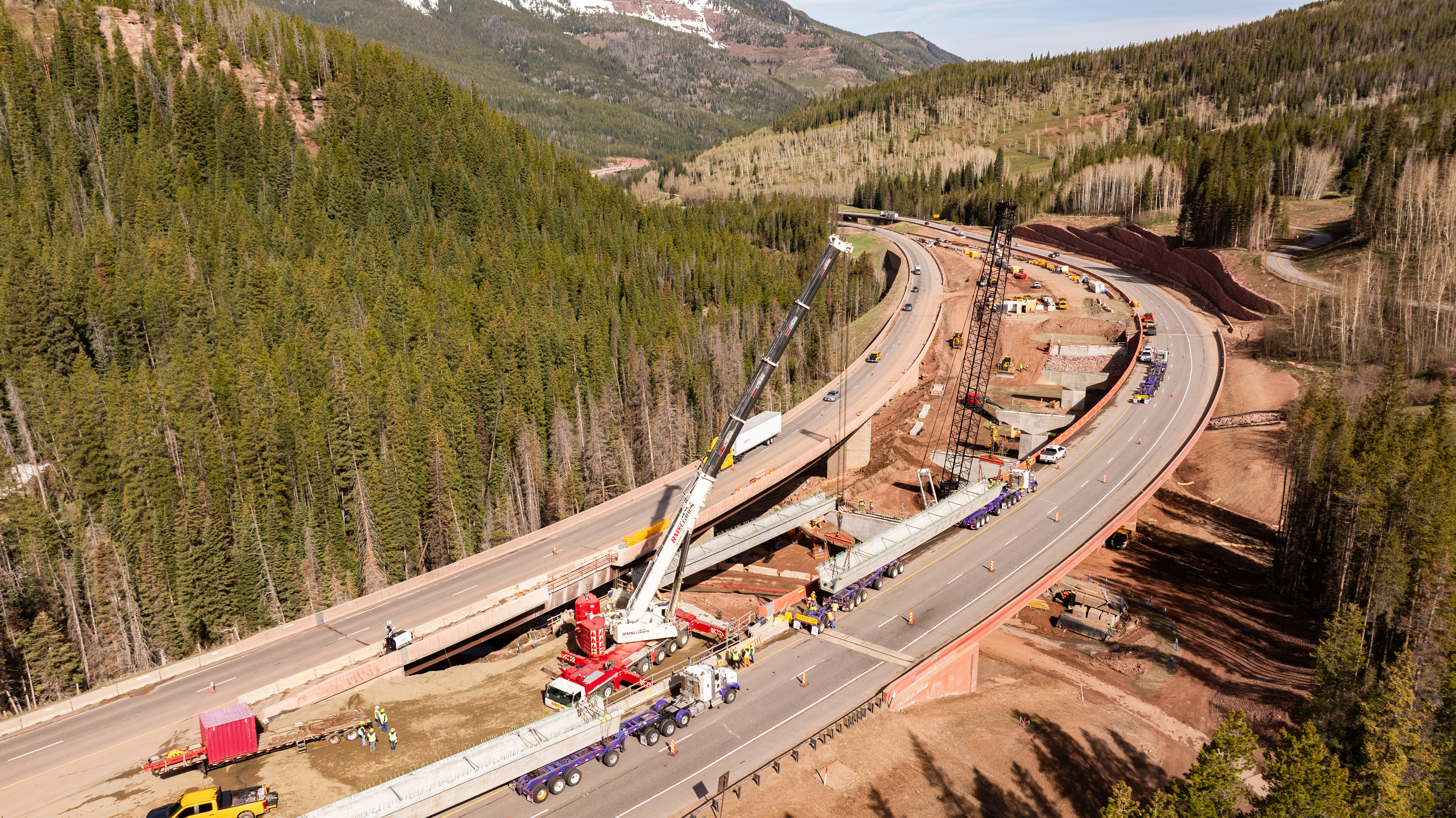
Season by season, the I-70 West Vail Pass team is transforming how motorists, trail users and wildlife move through one of Colorado’s most challenging mountain corridors.
Every spring since 2021, as snow begins to melt across Colorado’s Rocky Mountains, construction returns to Interstate 70 (I-70) over Vail Pass. Thousands of travelers make their way toward resorts, hiking trails and mountain communities, while freight traffic moves through one of the state’s busiest transportation corridors.
For the Kiewit Infrastructure Co. team working on the I-70 West Vail Pass project, spring marks the beginning of another compressed construction season. Unlike most highway projects, work on Vail Pass cannot continue year-round. Harsh mountain winters, frequent snowstorms and elevations topping 10,000 feet have limited fieldwork to roughly five months each year. When winter arrives, construction pauses, but the team’s focus on improving continues.
What could have been viewed as a significant obstacle has become one of the project’s greatest advantages. The team used each offseason as an opportunity to evaluate every aspect of their work.
“After each season of work, we were able to come together as a team and ask ourselves how we can improve at least 10% for the next season,” said Construction Manager Fred Foglesong.
“The offseason gave us the opportunity to stop, reset and optimize,” added Project Manager Ryan Konen.
The continuous improvement mindset shaped nearly every decision made throughout the six-year project.
Reimagining Vail Pass
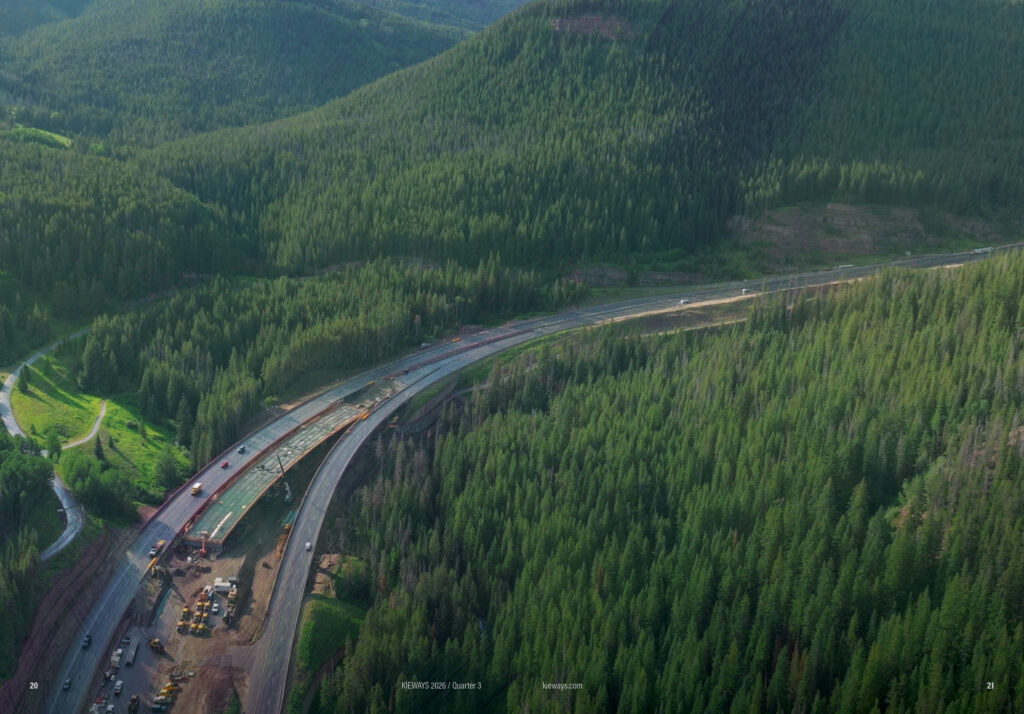
Stretching approximately 10 miles along I-70 in Vail, the project addresses one of Colorado’s most heavily traveled and historically challenging sections of interstate. During peak summer months, more than 32,000 vehicles travel the corridor each day, navigating a roadway with steep grades, sharp curves, changing weather conditions and heavy commercial truck traffic.
Years of crash data and significant hours of full road closures prompted the Colorado Department of Transportation (CDOT) to reimagine the corridor with one goal in mind: improve public safety and travel reliability.
Achieving that goal required extensive roadway and bridge improvements, relocation of sections of the adjacent Vail Pass Recreation Trail and upgrades to drainage, traffic-monitoring and communications systems.
CDOT and Kiewit approached the corridor as an interconnected system, combining roadway and structural improvements with technology, environmental protections and features designed to reduce risks for motorists, trail users and wildlife.
Construction began with a new runaway truck ramp with a hazmat collection system, which was completed in late 2021. Its straighter alignment is designed to reduce the risk of rollovers and resulting hazardous material spills, and the ramp has already been used an estimated 40 times in emergencies since its completion.
Other improvements, including curve corrections, wider shoulders and an eastbound auxiliary climbing lane for slower vehicles, will improve traffic flow and give emergency responders more room to safely manage incidents without closing the entire interstate. Wildlife crossings and fencing will provide safer passage for animals while helping reduce vehicle collisions.
Delivering that interconnected scope in five-month windows meant the team could not afford to approach the same operation the same way twice.
Learning Between Seasons
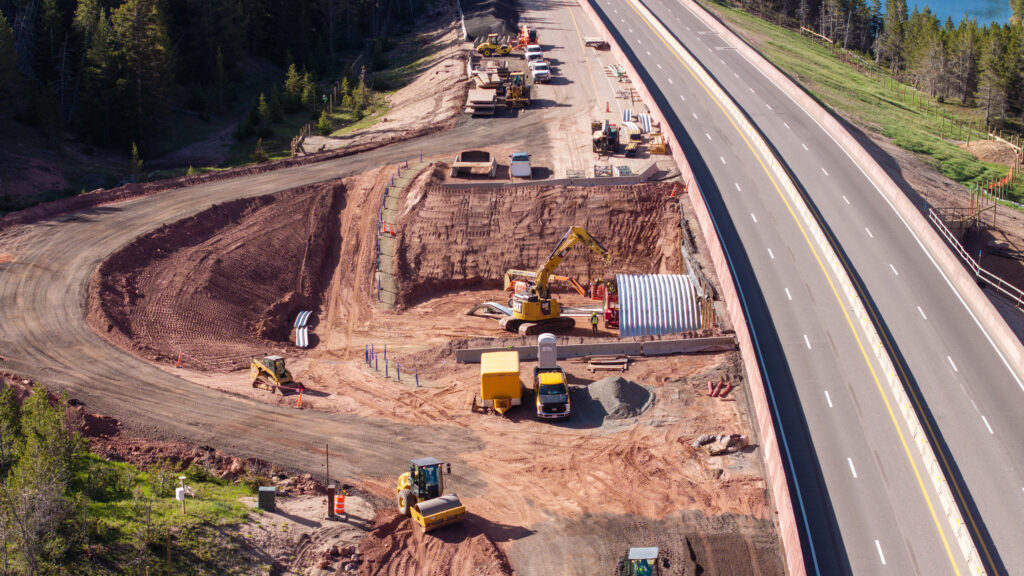
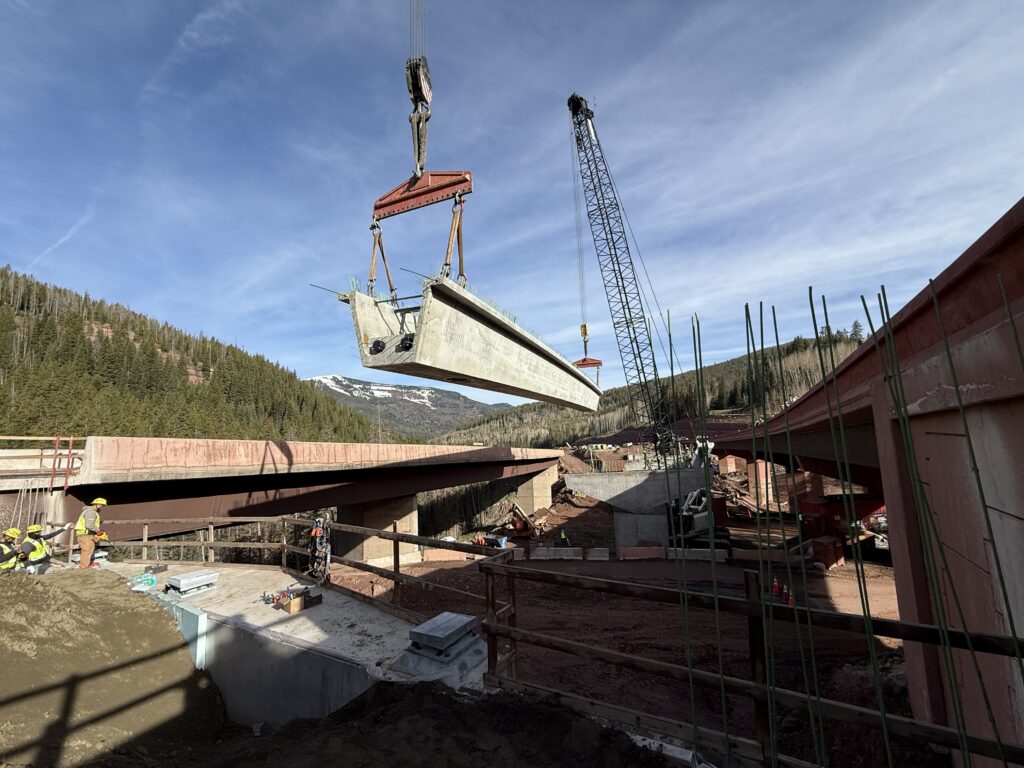
The seasonal construction schedule naturally divided the project into repeatable operations. One year, crews built a wildlife crossing. The following season, they built another. The same was true for bridge construction and several other major work activities.
After completing each construction season, project leaders gathered to review what worked, what didn’t and where efficiencies could be gained. The team updated work plans, used photos to document successful approaches and shared field experience before crews returned the following spring.
The offseason reviews also gave the team an opportunity to respond to feedback from the public. In 2025, three separate contracts were underway on Vail Pass, each with its own work zone traffic layout. Based on community feedback, CDOT and Kiewit combined the three layouts into one corridor-wide traffic control plan to make the area easier to navigate.
“By aligning our traffic management strategies into a single, cohesive approach, we significantly improved the experience for the traveling public,” said Karen Berdoulay, CDOT Region 3 East program engineer. “Achieving a 100% score on the independent traffic control review is an exceptional result that speaks volumes about the team’s dedication to safety.”
The team also drew on experience from across Kiewit. Before building the wildlife crossings, project leaders consulted other Kiewit teams that had recently completed similar structures and incorporated those lessons into their work plans.
“We didn’t have to reinvent the wheel,” Konen said. “We were able to take what they learned, and insert it into our work plans and improve from there.”
Elevated Problem Solving
The mountain environment challenged the team to rethink even routine construction decisions. Supplying materials became one of the project’s biggest logistical tests.
Local asphalt prices were high, so the team elected to haul asphalt from Kiewit’s own Front Range plants. The unconventional approach required careful coordination across a two- to three-hour haul through mountain terrain but ultimately saved more than $1 million.
The project also required flexibility as construction costs rose nationwide. Working collaboratively with CDOT, the team helped refine project scope to maximize benefits while preserving the long-term vision for the corridor.
CDOT Resident Engineer John Kronholm said the team’s winter planning was another important part of keeping the project costs on track.
“The team’s proactive winter planning helped address funding challenges while maintaining the project’s scope and schedule,” Kronholm said.
Protecting People and Place
While the finished corridor was designed to protect the traveling public, delivering it safely required equal attention to the people performing the work and the environment surrounding them.
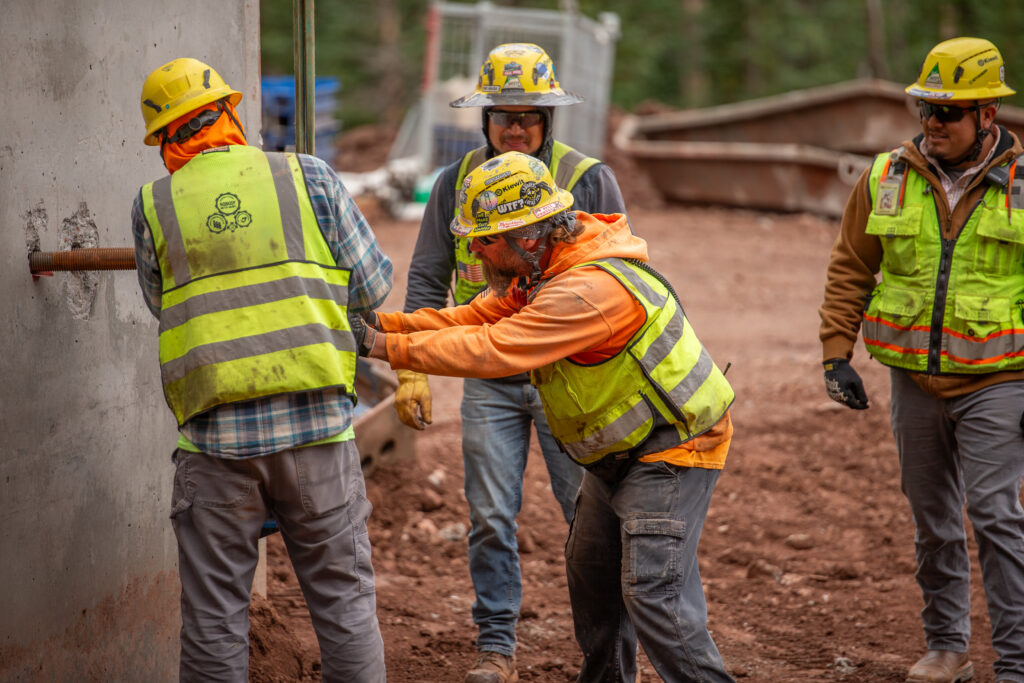
Each season began with a review of the previous year’s incidents and lessons learned, followed by renewed emphasis on mountain-specific best practices. Weekly operator summits focused on safely operating equipment on steep grades, while Life-Saving Action (LSA) assessments encouraged everyone on site to actively identify and correct potential hazards.
“Last year, we were recognized as best in our region for the execution of LSA assessments, and we’re working to repeat that performance,” said Foglesong.
That same attention to risk extended to the surrounding environment. Sediment containment ponds were constructed to capture sand, salt and roadway debris before runoff reached nearby Black Gore Creek, while temporary drainage and erosion-control systems protected the site and surrounding waterways during spring snowmelt and sudden mountain storms.
Leaving a Lasting Impact
With construction scheduled to wrap up in November 2026, a corridor once defined by tight curves, narrow shoulders and competing uses is becoming safer and more predictable for motorists, emergency responders, trail users and wildlife.
For Foglesong, who grew up in Colorado, the project carries an even deeper meaning. He remembers navigating the corridor’s tight curves and narrow roadway, with the recreation trail running alongside interstate traffic. For him, knowing future generations will experience a safer, smoother drive has made every challenge worthwhile.
“When people drive through here years from now, they’ll probably just say, ‘This is a nice road,’” he said. “They won’t see the years of planning, collaboration and improvement that made it possible.”