Holding the Line at Lake Conestee
July 17, 2026
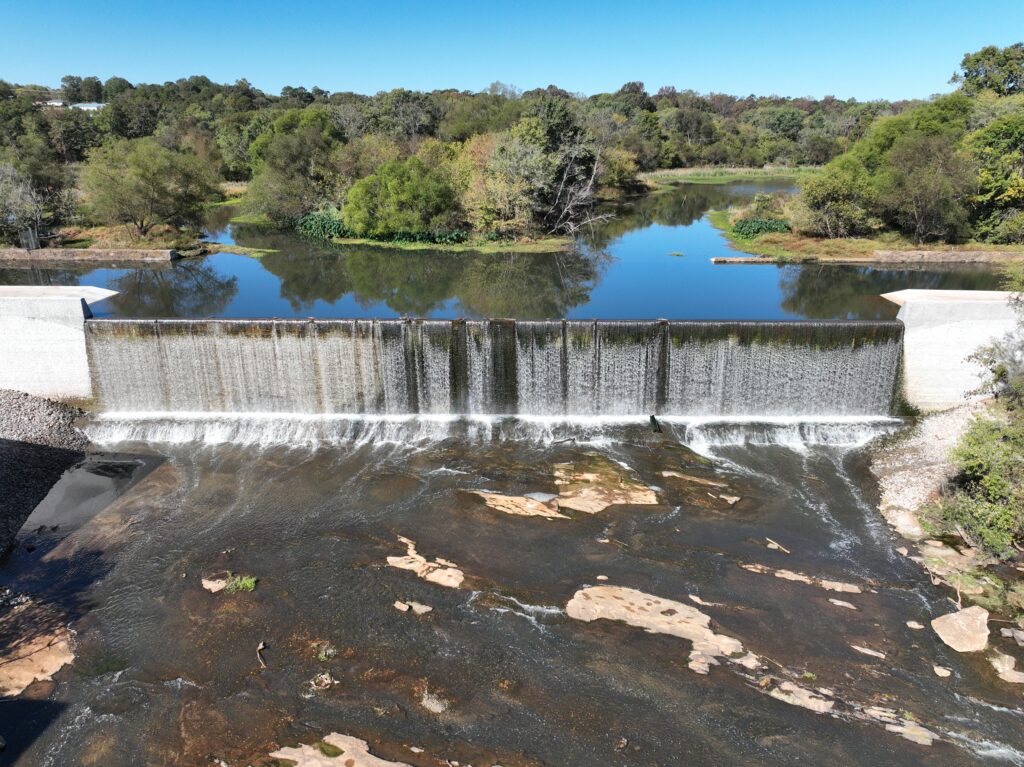
On the edge of a nature preserve in Greenville, South Carolina, a 19th-century dam carried a modern risk, one that threatened drinking water for hundreds of thousands of people downstream.
Built in the late 1800s, the structure had long exceeded its intended lifespan while holding back an estimated 3 million cubic yards of material.
For more than a century, the Lake Conestee Dam held back the byproducts of the region’s growth. As Greenville developed through the height of the textile industry and into the modern era, waste from mills flowed downstream and settled behind the dam, slowly filling what was once open water with layers of sediment.
Cleaner sediment eventually settled on top, effectively capping what lay beneath. As long as the structure held, the system worked. But the dam itself was deteriorating, and the margin for error was shrinking.
If it failed, the impact would move quickly downstream, threatening water sources and surrounding communities.
“The only thing holding it back was this dam, built in 1892,” said Kelly Lowry, director, Lake Conestee Dam Project, LLC.
Years of study, one path forward
In the early 2000s, concerns about the dam’s condition and the sediment behind it became more urgent, launching a prolonged period of study. For nearly two decades, engineers, regulators and environmental experts evaluated potential solutions, weighing cost, environmental impact and long-term reliability.
Eventually, the conclusion was unavoidable. Waiting was no longer an option.
The project gained momentum when Lowry stepped in to lead the effort on behalf of the state. With a background in environmental law and experience navigating complex regulatory systems, he focused on moving the project forward.
“I found myself faced with a project of serious complexity, magnitude and sensitivity, and I knew I needed the best help to succeed,” said Lowry. “Failure would have been environmentally, economically and socially catastrophic.”
Kiewit Infrastructure South Co. was brought into the process early, using a progressive design-build approach that allowed the owner and Kiewit’s engineering and construction teams to shape the solutions together from the start.
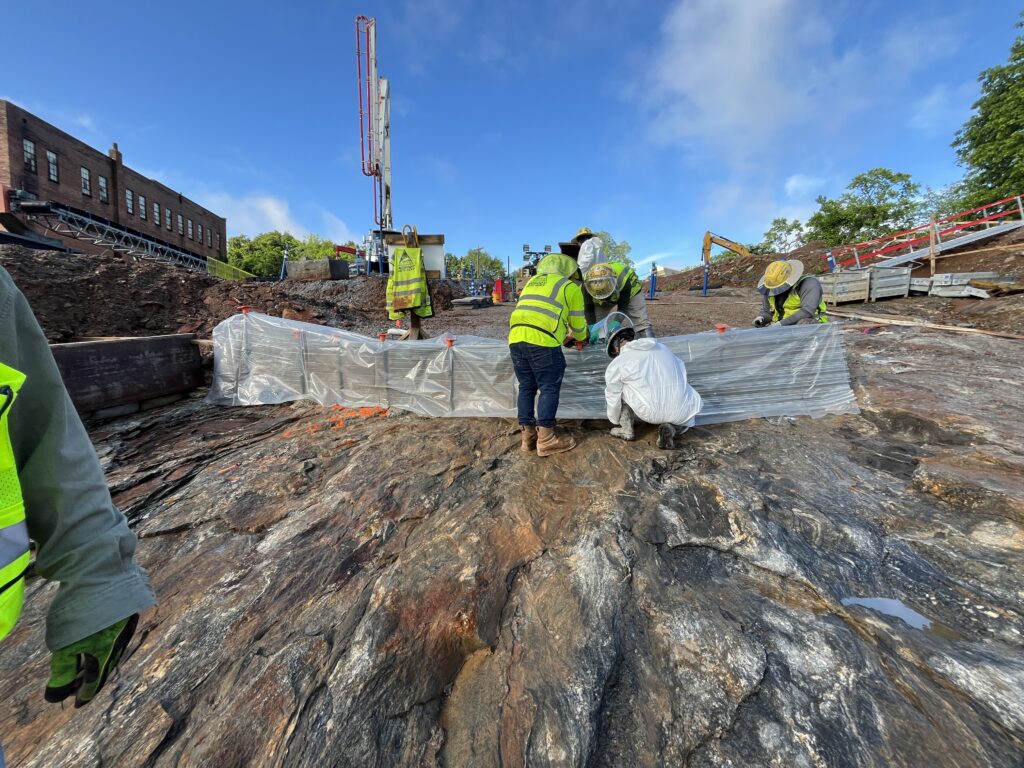
That early involvement allowed the team to work through key challenges before construction began — aligning design decisions with how the project would actually be built, coordinating closely with regulatory agencies and advancing the elements needed for permitting.
A different kind of solution
Most early concepts focused on repairing the existing dam. But those approaches carried risk. Any disturbance could cause a dam failure, releasing contaminated sediment downstream and impacting water quality, ecosystems and drinking water supplies for over 500,000 people. It would also devastate Lake Greenwood’s water-based economy centered on fishing, recreation and thousands of lakeside homes.
“For the dam to serve its purpose, a replacement was really the only way to go,” said Scott Jones, Kiewit principal structural engineer.
Instead of rebuilding the original structure, the team chose to construct a new dam just downstream.
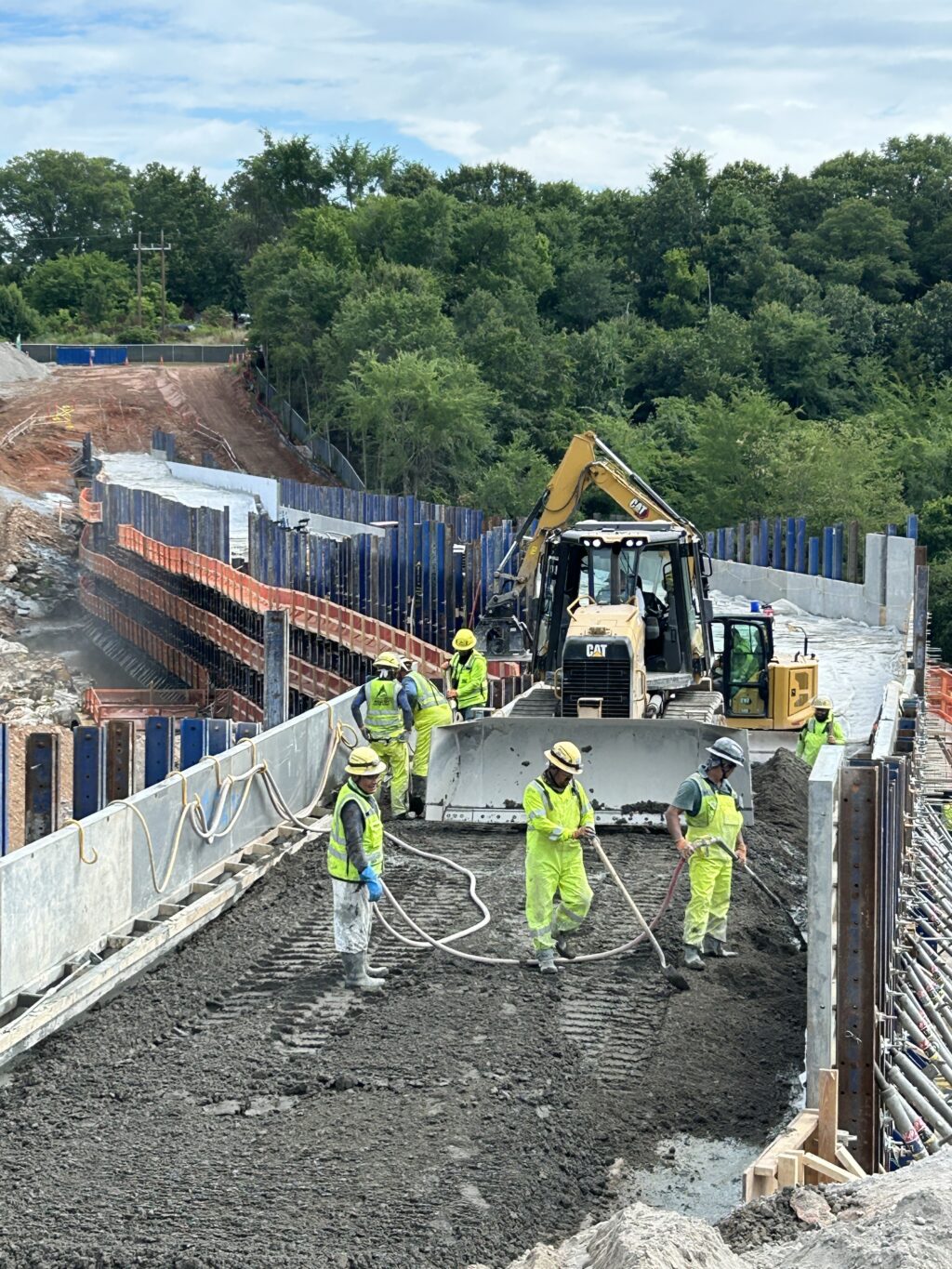
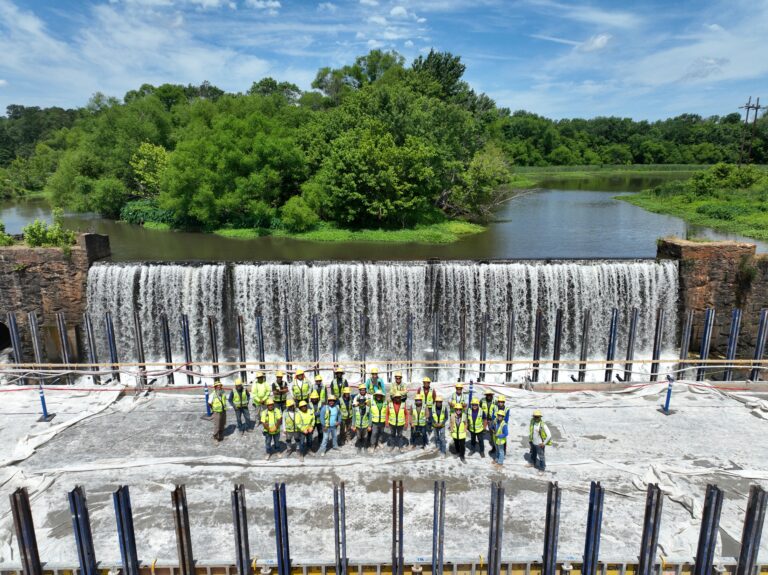
The new roller-compacted concrete dam would take control of the river, allowing the existing structure to remain submerged and continue containing the sediment. It addressed both the environmental risk and the structural problem — but introduced a new challenge.
The work had to happen without disrupting the river or destabilizing what already existed.
Building in motion
Construction didn’t begin with a clean slate. The Reedy River continued to move through the site, and the team had to build around it.
“You’re building a dam in front of a waterfall on a flashy watershed,” said Anthony Galantini, Kiewit project manager. “One inch of rain and your flow jumps tremendously.”
Early in the project, that reality became clear.
Storms pushed water levels up quickly, overtopping temporary works and forcing crews out of the work area. Foundation preparation had to be redone more than once, costing the team time and exposing a larger issue. The longer the team stayed at the lowest elevation, the more exposed they were.
The response was a shift in strategy.
Instead of staying exposed at the lowest elevation, the team shifted how they sequenced the work, starting construction over the diversion culvert on one side of the river. That allowed them to gain elevation sooner and keep progress moving while maintaining the project’s quality standards.
That adjustment changed the trajectory of the job.
Finding the rhythm
From that point on, work began to flow from one operation to the next without delay.
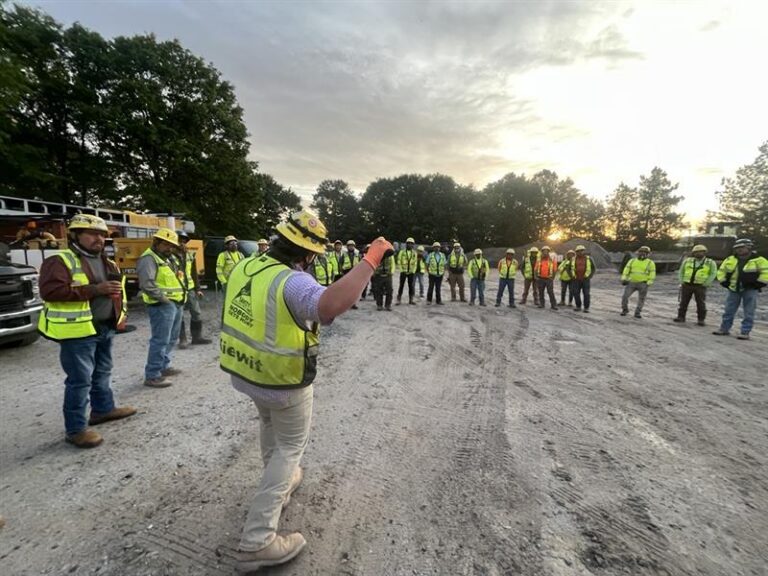
“We really didn’t have any lulls. As soon as one phase finished, the next team was ready to step in,” said Chris Gladson, project sponsor.
Foundation work transitioned directly into batch plant construction. Formwork followed. Concrete placement began without interruption.
There were no gaps between critical path activities.
By the time the team reached roller-compacted concrete placement, they had established a rhythm they could sustain.
For 33 days, the site operated continuously.
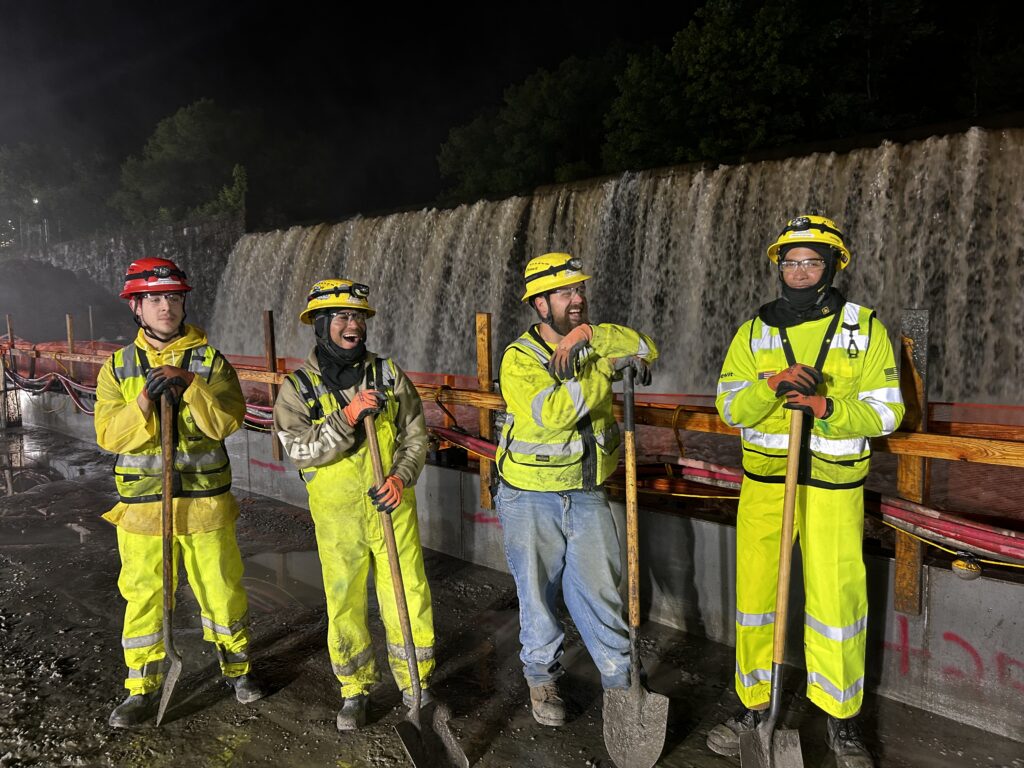
Day crews set formwork. Night crews placed concrete. Each lift depended on the one before it, and timing was essential. Delays would require rework and slow production.
Instead, the operation moved without pause.
One team, one outcome
The project brought together people from across Kiewit, many of whom hadn’t worked together before. Different backgrounds and experiences meant the team had to align quickly, especially as the pace of work increased.
“We had some early wins as a team, and that momentum carried through the rest of the job,” said Gladson.
As construction ramped up, so did the complexity. Crews worked longer hours, operations overlapped and coordination became even more important. Success depended on each group understanding not just their role, but how their work impacted the next phase.
Field crews, engineers and superintendents stayed closely connected, adjusting plans in real time to keep work moving and avoid delays. That consistency allowed the team to maintain progress through some of the most demanding phases of construction.
By the final stages, team operations were shaped by that alignment. Work transitioned smoothly, decisions were made quickly and the group stayed focused through completion.
When the project wrapped up, the results reflected that effort. Despite working in an active waterway, managing environmental risk and maintaining a continuous placement schedule, the team delivered the project more than a year ahead of schedule and under budget.
Built for what’s next
Today, the new dam stands in place of a structure that had held for more than a century. Upstream, the contaminated sediment remains contained. Downstream, the river moves as intended.
For nearby communities, the change is immediate. Areas that once flooded during major storms are now protected, and the uncertainty tied to the dam’s condition is gone.
“It was a big weight off the community’s shoulders,” said Galantini.
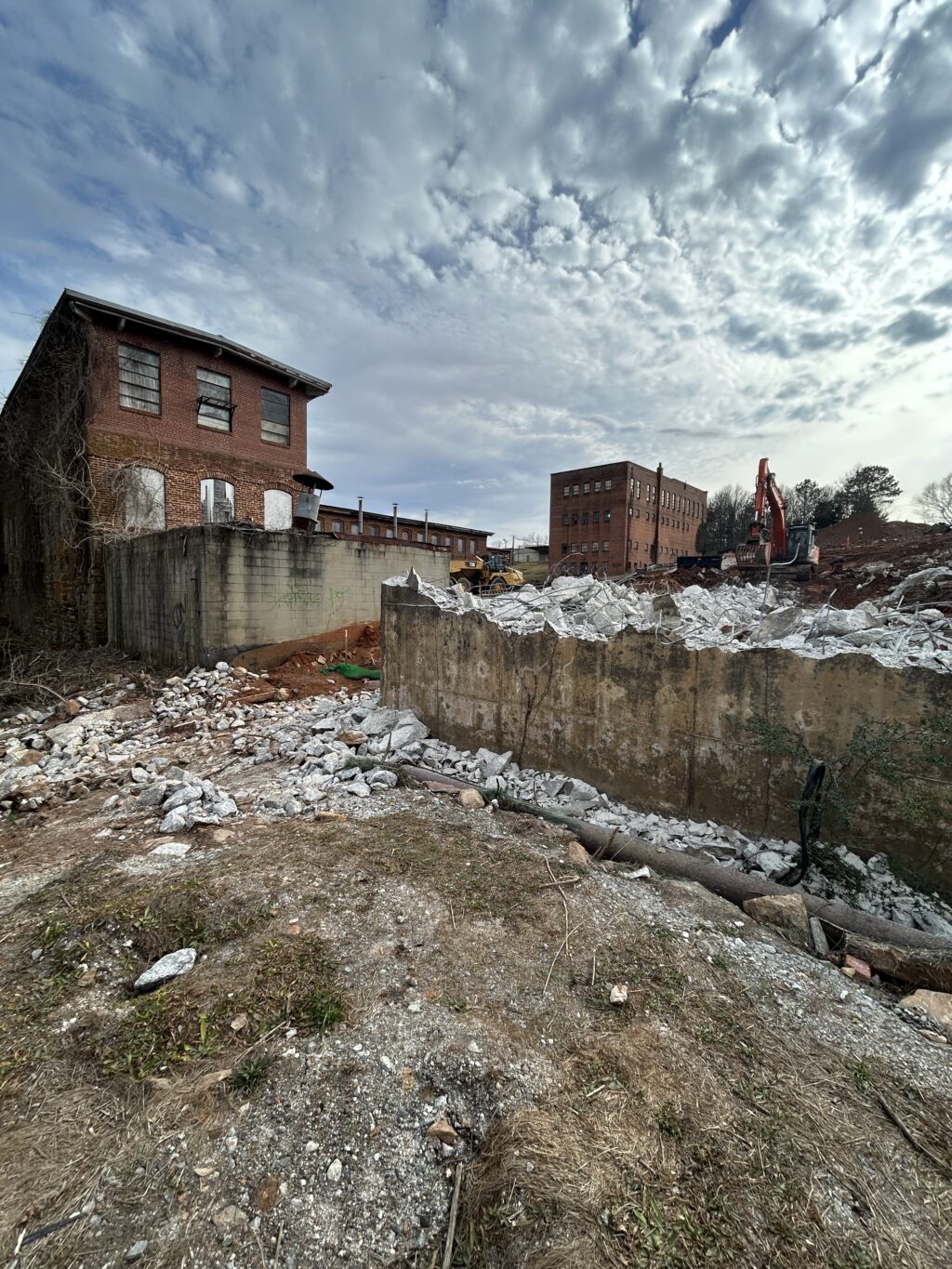
The work also changes how the area can be used. What had been limited by risk is now stable, protecting nearby landmarks like the Conestee Mill and opening the door for future development along the river and renewed use of the surrounding space.
For the team, the result is something they can see and point to.
“You can build 100 dams,” he said. “But there are always a few jobs that stick with you. This one had that.”
Model Matters
Explore a Q&A with Scott Jones, Kiewit principal structural engineer, on the progressive design-build contract model and watch an exclusive time-lapse video of the dam’s construction.