When the Crew Becomes Family
July 17, 2026
On a rural Montana corridor, relationships with local landowners became one of the project team’s biggest advantages.
Every so often, Richard Stahl would take time to package up beef sticks from his family’s central Montana meat processing business and bring them out to the Kiewit Infrastructure Co. construction site nearby. He liked to check in with the crew, and it became a highlight for the project team when he pulled in.
“They would come running,” Stahl said, laughing. “The Kiewit team was unbelievable and so down to earth.”
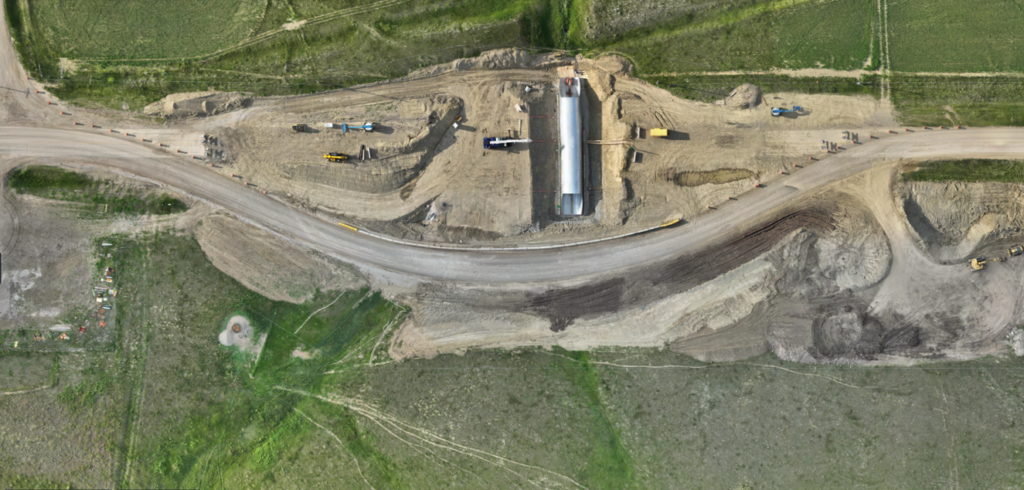
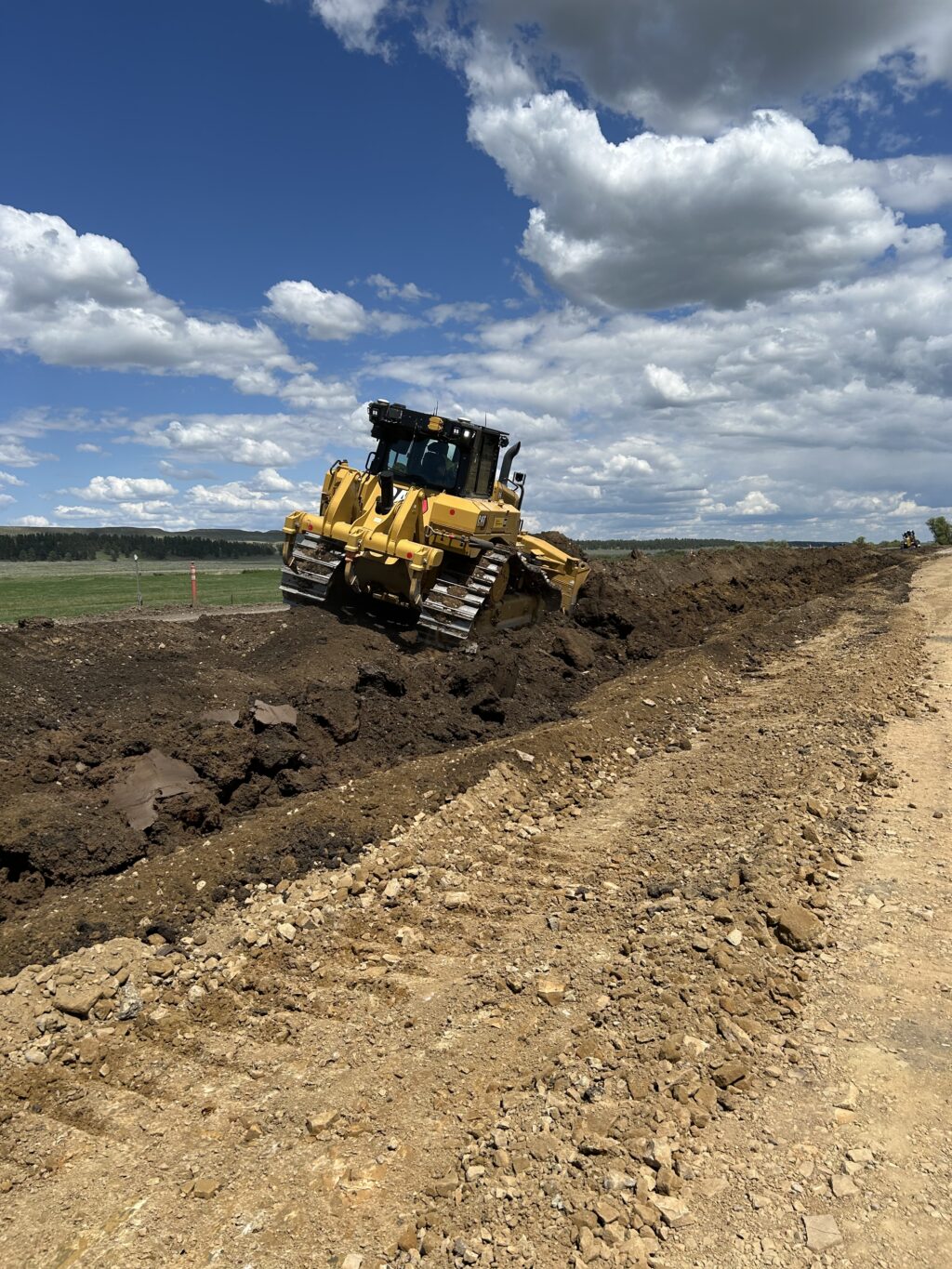
The Montana Department of Transportation (MDT) selected Kiewit Infrastructure Co. to replace 10 outdated timber bridges, most built before 1940. The work also included widening and reconfiguring three miles of highway at seven locations, along with drainage, irrigation, guardrail, rumble strip and fencing improvements.
Because each bridge sits next to private ranchland, MDT worked with about a dozen landowners before construction began in 2024 to secure right-of-way agreements, easements and construction permits.
Building Trust, Then Building The Job
With so many landowners involved, many with deep multigenerational ties to the area, the project could not move forward without community support. Construction Manager Matt Uribe said the team understood that from the start and prioritized early, face-to-face outreach.
That approach paid off in measurable ways. Strong relationships with landowners reduced access constraints, gave crews more flexibility in the field and ultimately helped the team compress the schedule by nearly a year.
For Uribe, building relationships in the community came naturally. With family ties to Montana and early memories of living in Lewistown, he understood the community and the people who call it home.
“Montana will always be my home,” he said.
Uribe said replacing the bridges was only part of the job. Just as important was earning the trust of the people who lived along the corridor by answering questions, staying visible and keeping them informed.
Project Manager Mike George said the team went into the job expecting some hesitation from landowners. Instead, they found people ready to help.
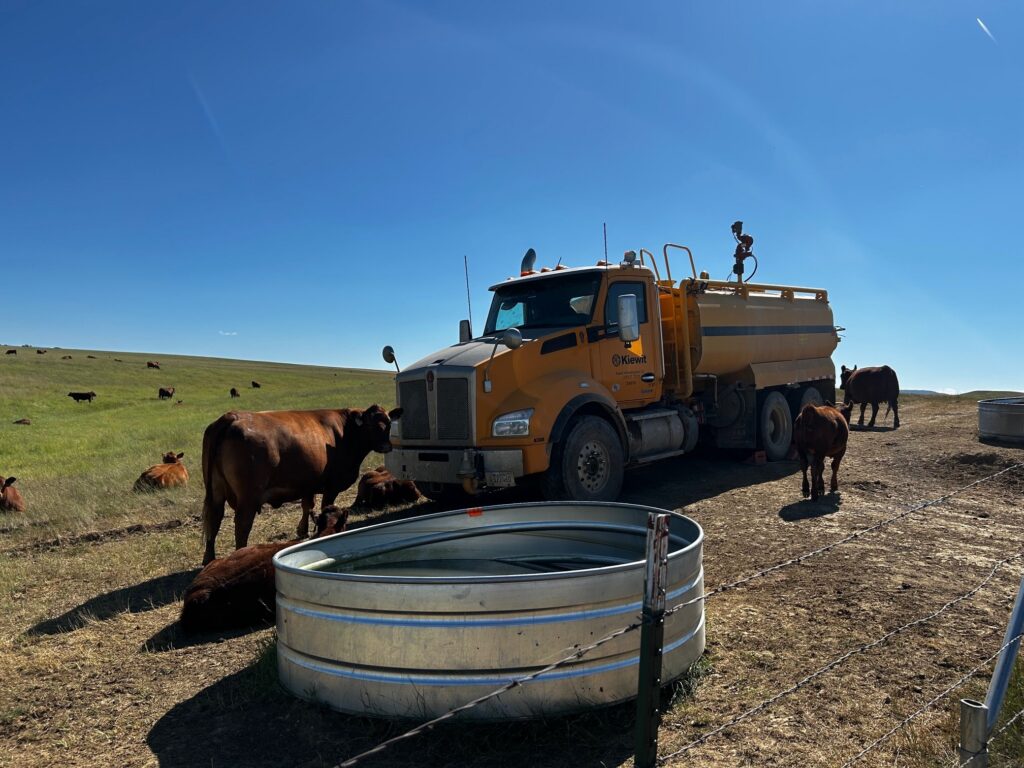
Uribe described local farmers and cattlemen as unofficial partners to the construction team. Ranchers gave crews places to stage equipment, park campers and get water and power to remote work areas. In return, salvaged culverts, fencing and other leftover materials were reused on nearby properties to improve access roads and repair washouts.
“What saved the company money turned into new farm field approaches for them, fixing old washouts from the rain or new access roads to the feedlots,” Uribe said.
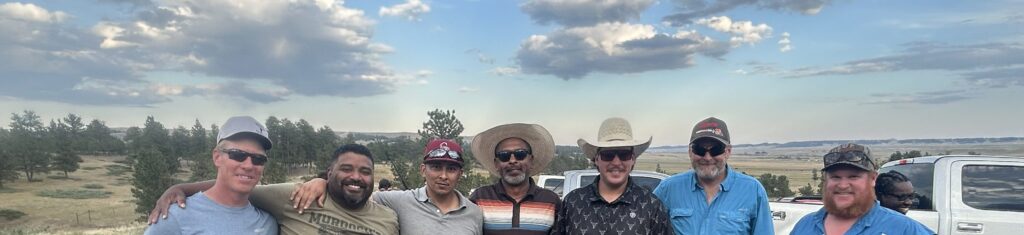
Just as the ranchers had become a part of the rhythm of the job, the Kiewit workers also became familiar faces on the ranches.
“Our people’s families were going over to their families for dinner during the week and some even lived on their land,” George said, describing how the relationship grew into something deeper than jobsite cooperation. “What could have been a challenge turned into long-lasting relationships.”
Stahl said it came down to mutual respect.
“They treated us good and we treated them good. They became like family,” Stahl said, describing communication with the project team as “a 10-plus.”
The Spirit of Cooperation Built Community Pride
Keith Geary lives near the middle of the project corridor, about a quarter mile off the highway. He first connected with the team when they needed water and a place to stage equipment. Soon after, he and his wife helped build out RV spaces and utility hookups so workers could stay close to the job. At one point, around 30 crew members were living on the property.
“The Kiewit crew that came here became family,” Geary said, echoing Stahl’s sentiment. “Montana is a state where respect goes a long way. Everyone who stayed here showed a lot of respect, and that made all the difference.”
That trust showed up in everyday ways. When Geary and his wife left town, they asked the crew staying on their property to keep an eye on the ranch. At one point, workers stopped a pickup they did not recognize before realizing it was the Gearys’ daughter, a level of vigilance the family appreciated. When their dog Diesel, who was known for wandering the ranch, was mistaken for a stray and brought into town, it wasn’t long before a Kiewit worker pointed out, “Why do you have Keith and Brittany’s dog?” which led to a ride back to the ranch for the little dog.
“If we needed help with something, they were there,” Geary said, laughing as he recalled the time a couple of cows got out. “Not one of them had probably ever been around cows, but they volunteered to go get them because they were excited to try ranching during their free time.”
“They were a great group of people. We couldn’t have asked for a better group,” Brittany Geary said. “They invited us over just as much as we invited them over for dinner or just to visit. A lot of them became great friends.”
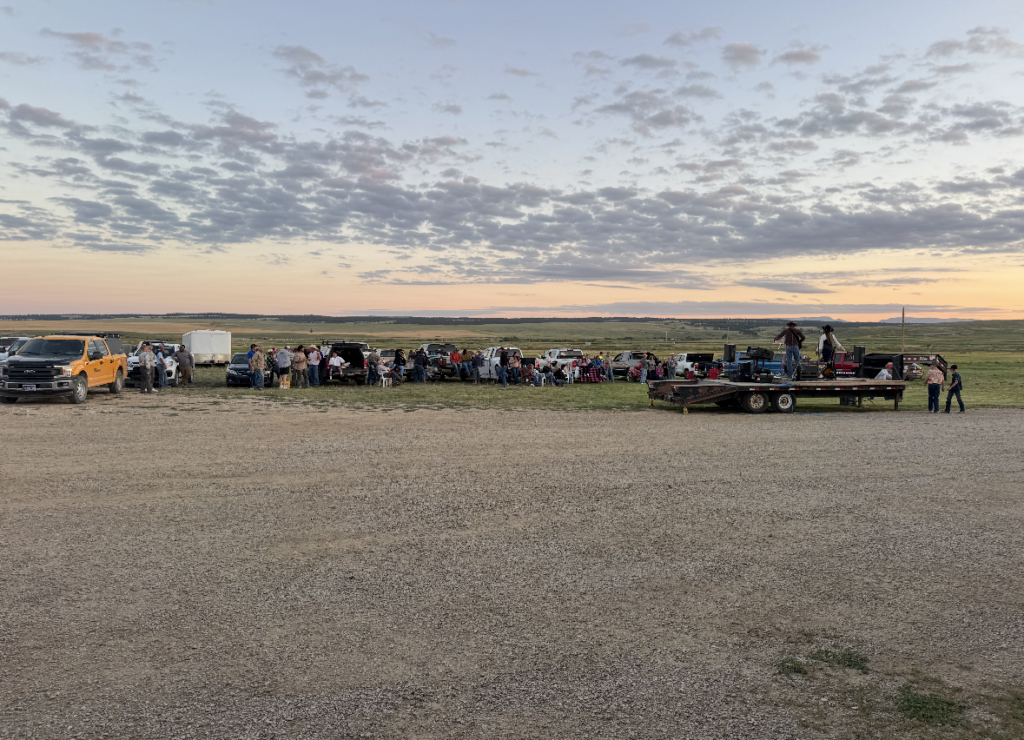
One evening, workers gathered around a fire on the Gearys’ property and talked about barbecues they had seen on jobsites. Geary’s response was simple: “Let’s just do it.” The idea turned into a pig roast with a band and about 50 people.
“What stands out most is how natural it all became. They were not just staying on our property. They became part of life here.”
More Than a Contractor Passing Through
Stahl saw that same shift from his side of the highway. Over time, he got to know many of the crew members by name. He credits Uribe with setting the tone.
“Matt treated everybody better than fair,” Stahl said. “When Matt said something, that’s the way it was going to be.”
He also saw the broader effect the project had on the surrounding communities.
“Look what it did for the town of Grass Range and the town of Lewistown,” Stahl said. “More people came to town, they spent money and it was good for the community.”
George said the strong relationships with landowners reduced access issues, gave the team more flexibility in the field and helped compress major work into one season instead of two. By the end of the job, George said, both the community and MDT were “not just impressed, but ecstatic at the work we did.”
Uribe says he will remember the project fondly. “Partly due to the financial success and cutting a year out of the job schedule, but I think just as equally due to the relationships we built with the local community.”
The connections lasted after the work was done. Geary said many of the workers still keep in touch with his family, checking in regularly long after construction wrapped up.
“A lot of them kind of turned out to be great friends,” he said.
For Stahl, it was bittersweet that the project wrapped up early. He was not quite ready for the team to move on.
“I hope Kiewit comes back and does more work in Montana,” he said.
Built Fast, Built Right
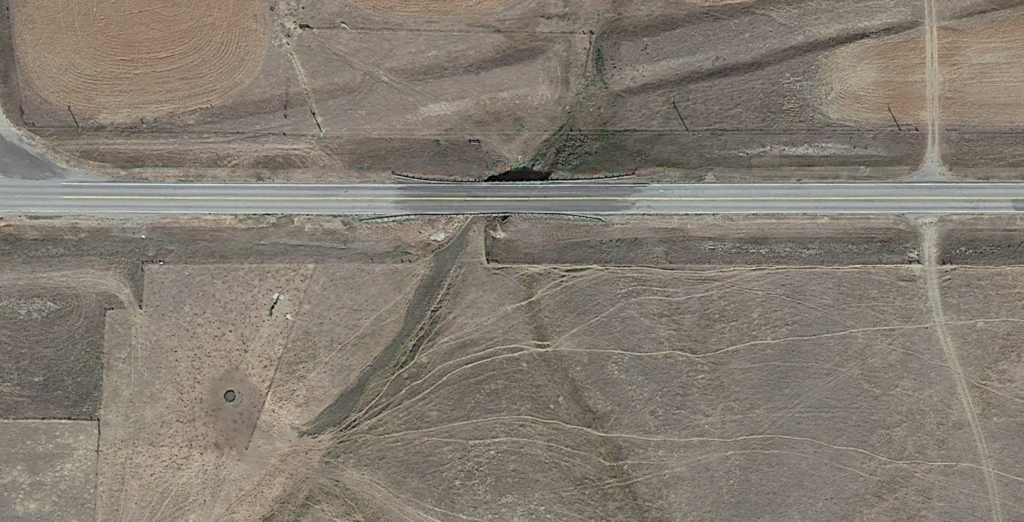
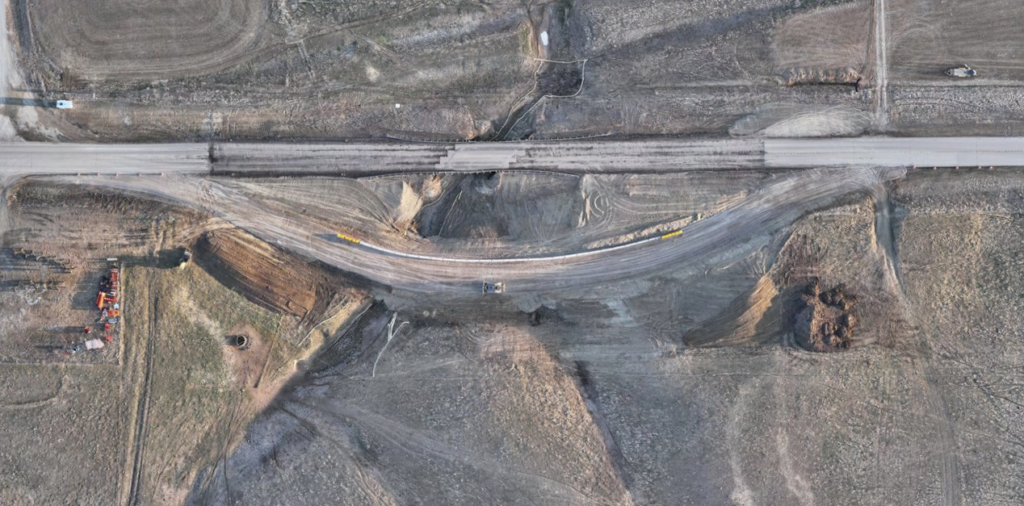
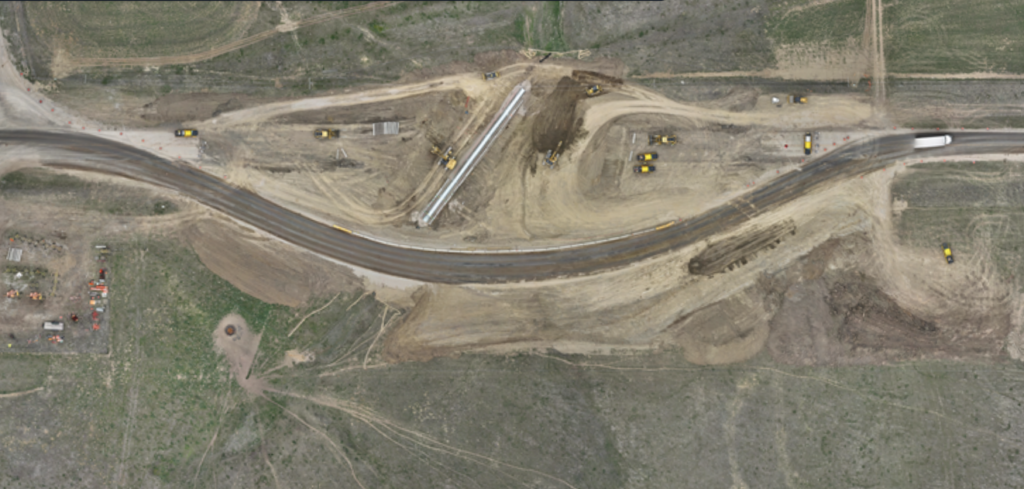
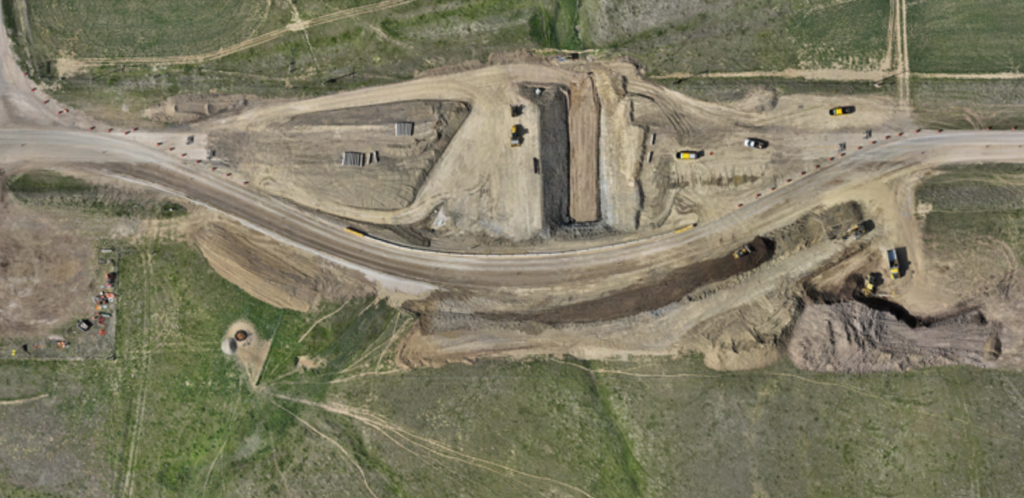
From February to September 2025, the Lewiston bridge work progressed through each stage of construction along the corridor, finishing nearly a year ahead of schedule.