Our History

An Uncommon Story
Building tomorrow, since 1884.
Humble Beginnings
Kiewit’s roots can be traced back to 1884, when the Kiewit family started a small masonry contracting company in Omaha, Nebraska.
What started as a local operation has since grown into one of North America’s leading construction and engineering firms, delivering some of the most impactful energy and infrastructure projects shaping the world around us.
The Early Years
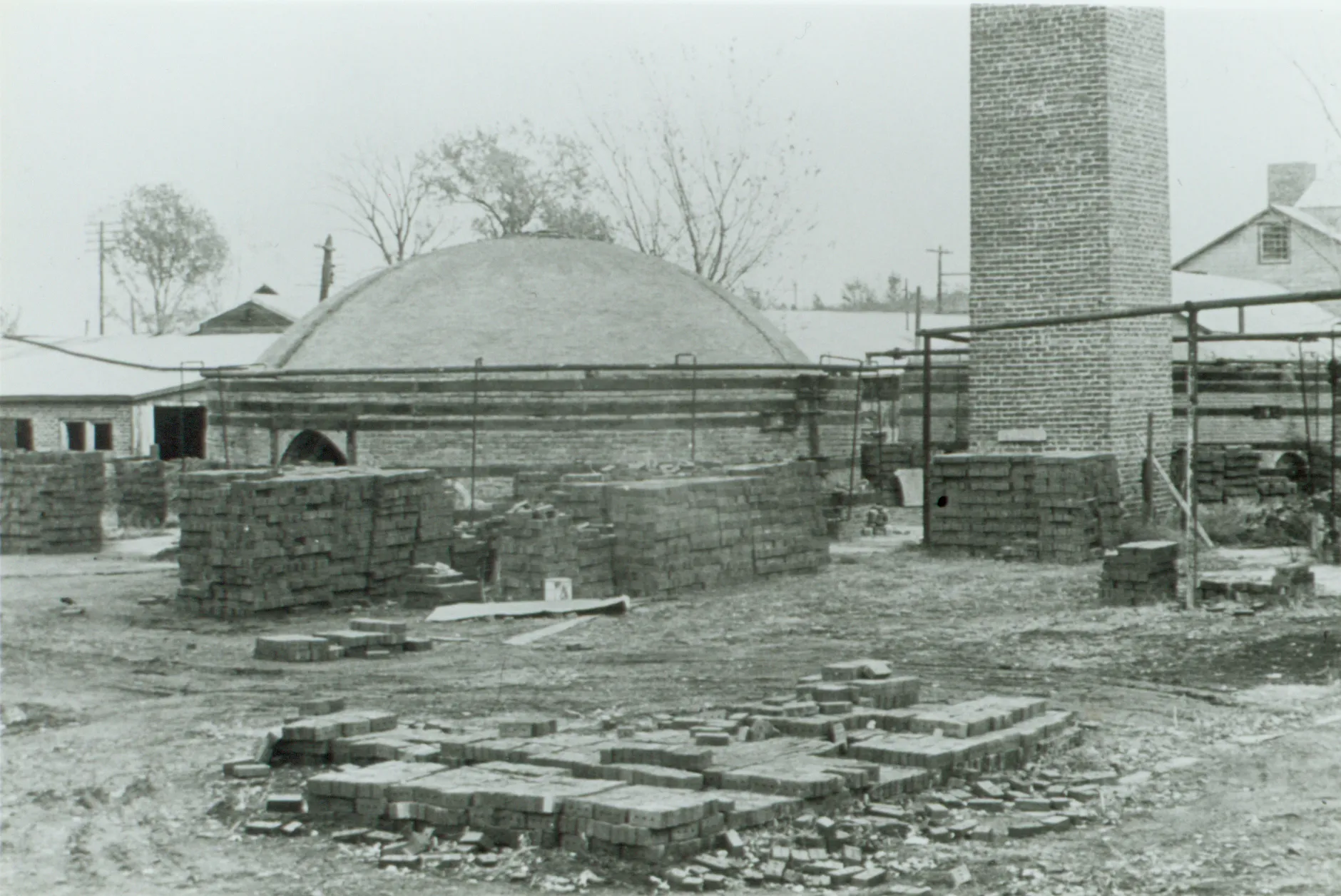
Peter and Andrew Kiewit formed Kiewit Brothers in 1884 as a masonry contractor, focusing on bricklaying in Omaha.
In 1900, the brothers built the Bekins Warehouse in Omaha, the company’s first commercial building project as general contractors.
Early Leadership
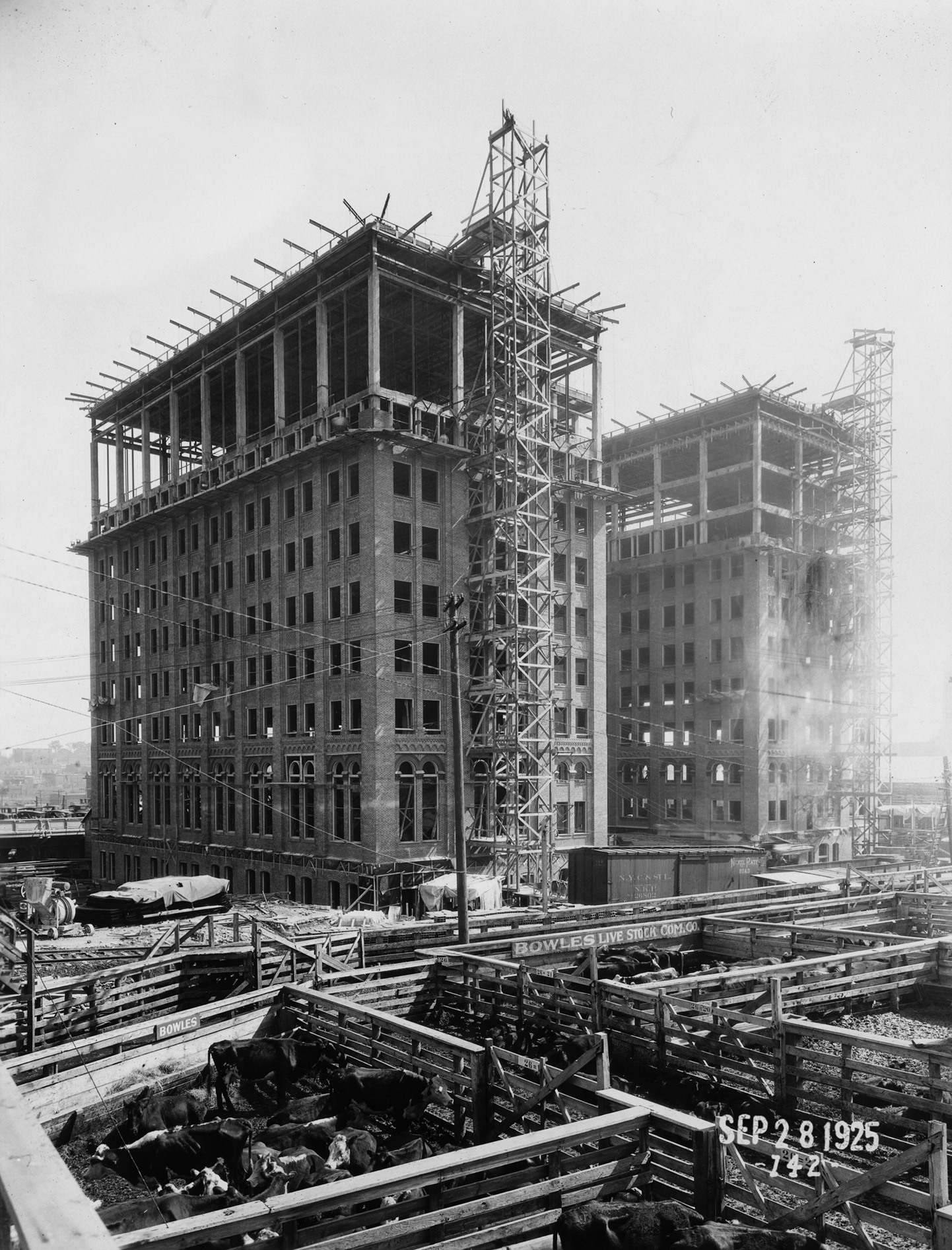
Peter Kiewit’s youngest son, also named Peter, took on his first role with the company in 1924 as a superintendent for Kiewit’s first million-dollar project, the Livestock Exchange Building in Omaha. This Peter would go on to lead the company for nearly six decades.
In 1931, Peter dissolved the family firm and reorganized as Peter Kiewit Sons’, Co., paving the way for the modern day Kiewit.
Peter Kiewit’s Leadership
Under Peter Kiewit’s leadership, the company diversified its operations, securing highway and public works projects that sustained growth during the Great Depression.
Surviving the Great Depression
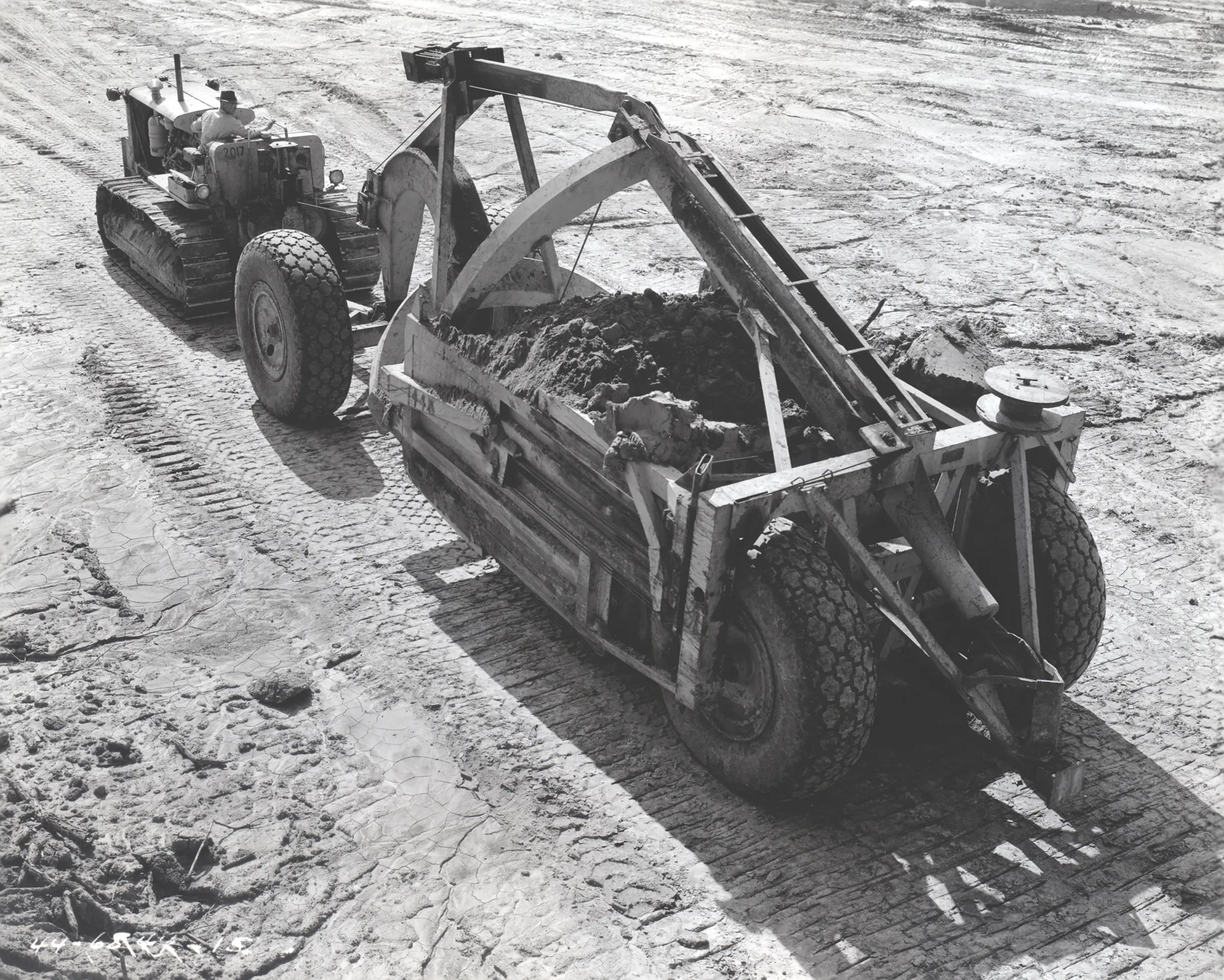
In 1932, Kiewit won its first major highway contract, a 25-mile stretch of grading and paving in Nebraska, marking the beginning of its expansion into transportation work.
In the mid-1930s, the company broadened its highway business to neighboring states, including Wyoming, Colorado and North Dakota.
Answering the Call:
World War II
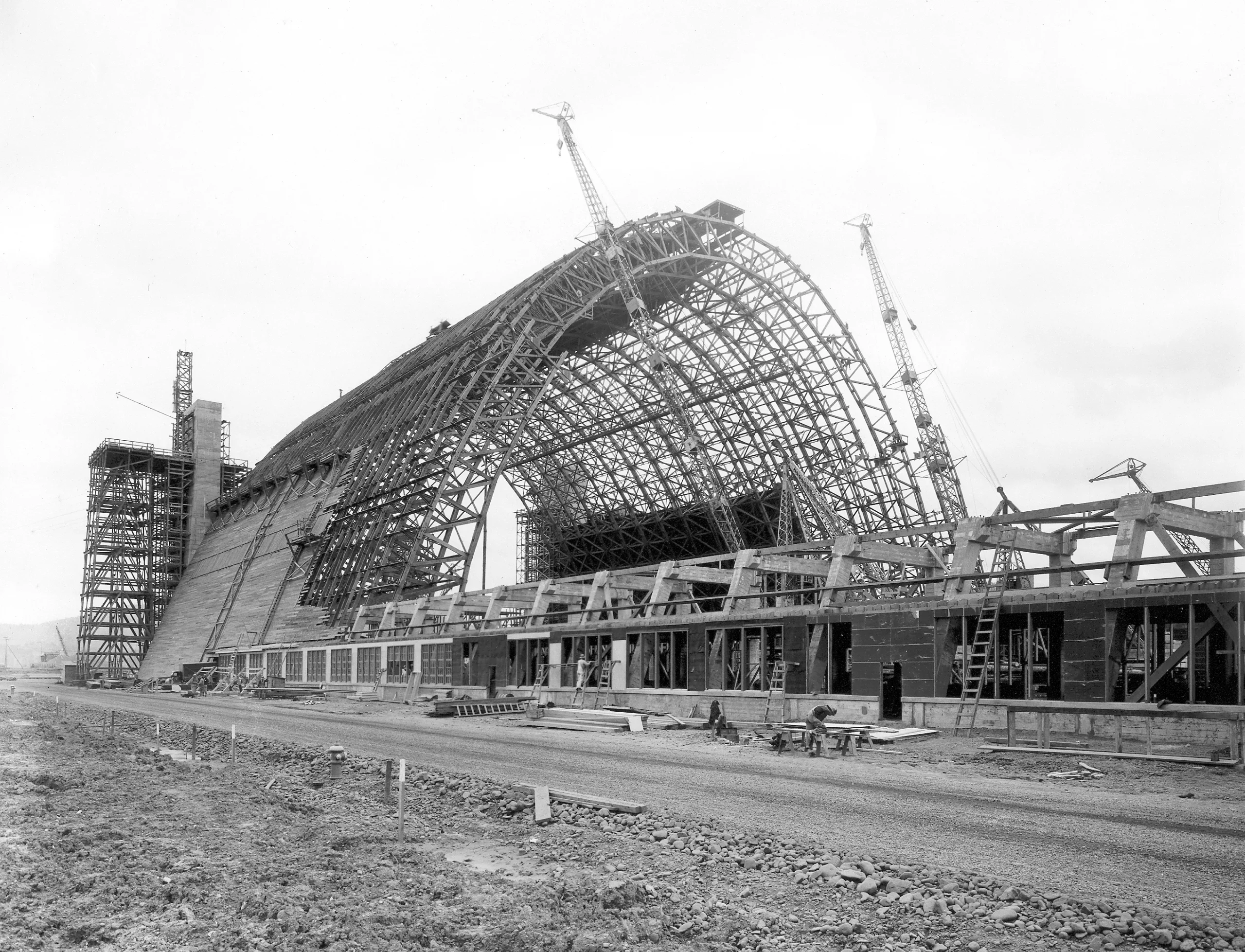
During World War II, Kiewit played a vital role in national defense, building military bases, airfields, and shipyards. In 1939, Kiewit took its largest contract to date with construction of 760 barracks and related facilities at Fort Lewis, Washington. The project was completed in just 90 days. By this time the company had completed more than $500 million of military work.
In 1941, Kiewit entered the Canadian market to help mobilize and transport equipment and supplies needed to build a crude oil pipeline from a refinery in Norman Wells, Northwest Territories. The company also entered the coal mining business in 1943 at Big Horn Mine near Sheridan, Wyoming.
Post-War Expansion
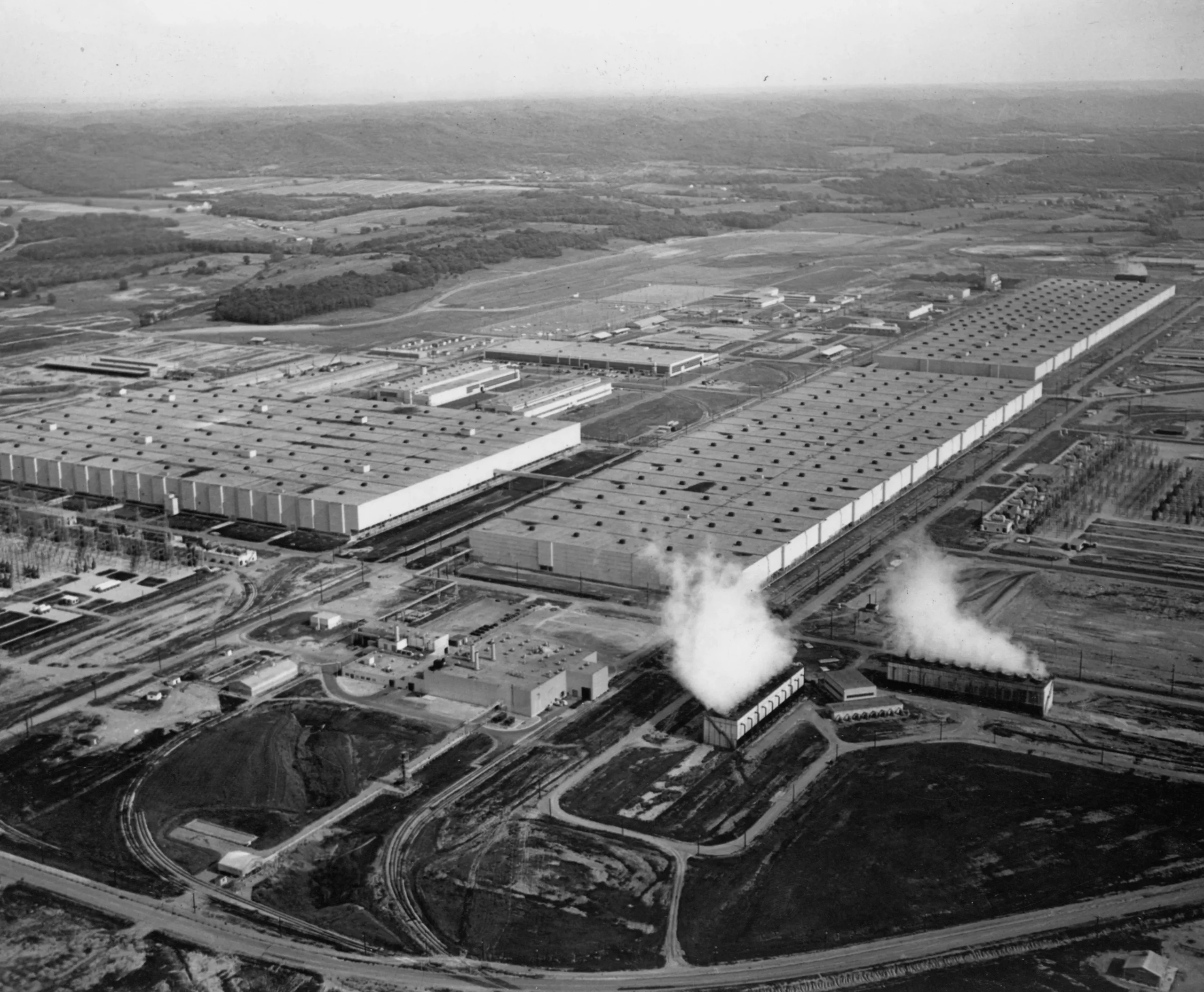
Following World War II, Kiewit expanded into new markets, including power, water and large-scale infrastructure. The company played a key role in major projects such as California’s Friant-Kern Canal (1946), North Dakota’s Garrison Dam (1948), and the U.S. Atomic Energy Commission’s $1.2 billion Portsmouth Gaseous Diffusion Plant in Ohio (1952).
As the Federal Highway Act of 1956 called for an Interstate Highway System, Kiewit built more lane miles of the system than any other contractor.
In 1966, Kiewit expanded into the oil, gas and chemical market with its work on a 1,300-acre petrochemical plant in Louisiana. In 1971, Kiewit began its long involvement with the James Bay projects in Quebec, Canada, constructing more work for the world’s largest hydroelectric development than any other contractor through the 1990s.
The Early Modern Era
Kiewit expanded into offshore markets in 1984 with the establishment of a fabrication yard in Ingleside, Texas.
As the U.S. modernized its infrastructure, Kiewit played a leading role in delivering more complex transportation projects, including its first large design-build transportation megaproject, the $802 million San Joaquin Hills Transportation Corridor (1991), and the $1.4 billion I-15 Reconstruction Project (1997).
Expanded Design Capabilities
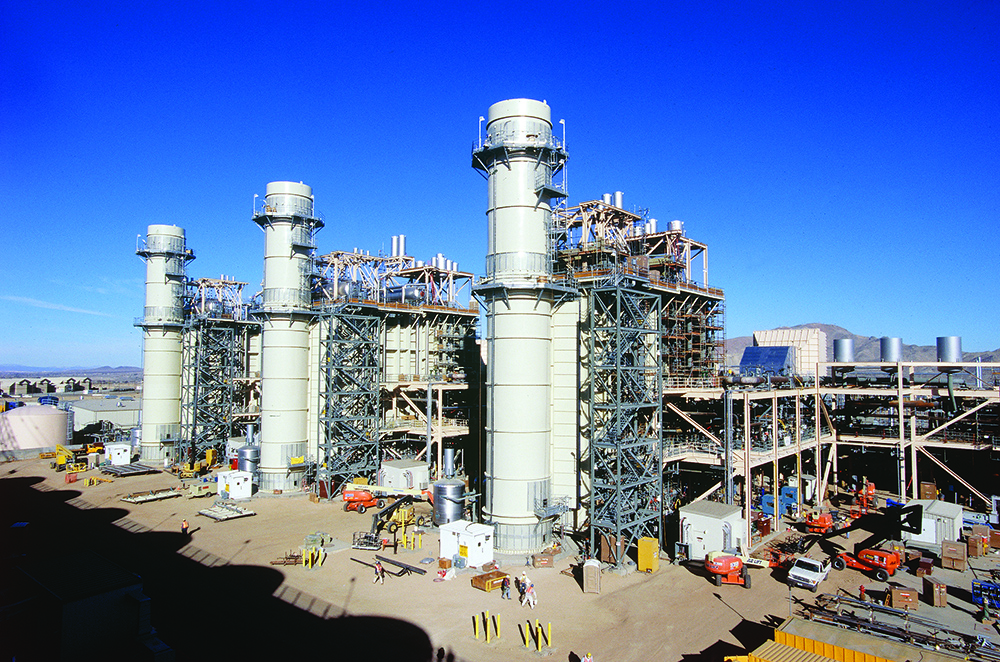
In 1997, Kiewit began expanding its in-house design capacity through a series of acquisitions to support EPC projects in the power market.
Kiewit’s early success in the power market set the stage for its expanded engineering organization, which now includes more than 4,000 professionals supporting work across five major markets.
Shaping the Future
Kiewit continues to lead transformative infrastructure and energy projects across North America, further developing its leadership in energy, water treatment, mass transit projects and beyond.
Evolving in New Markets
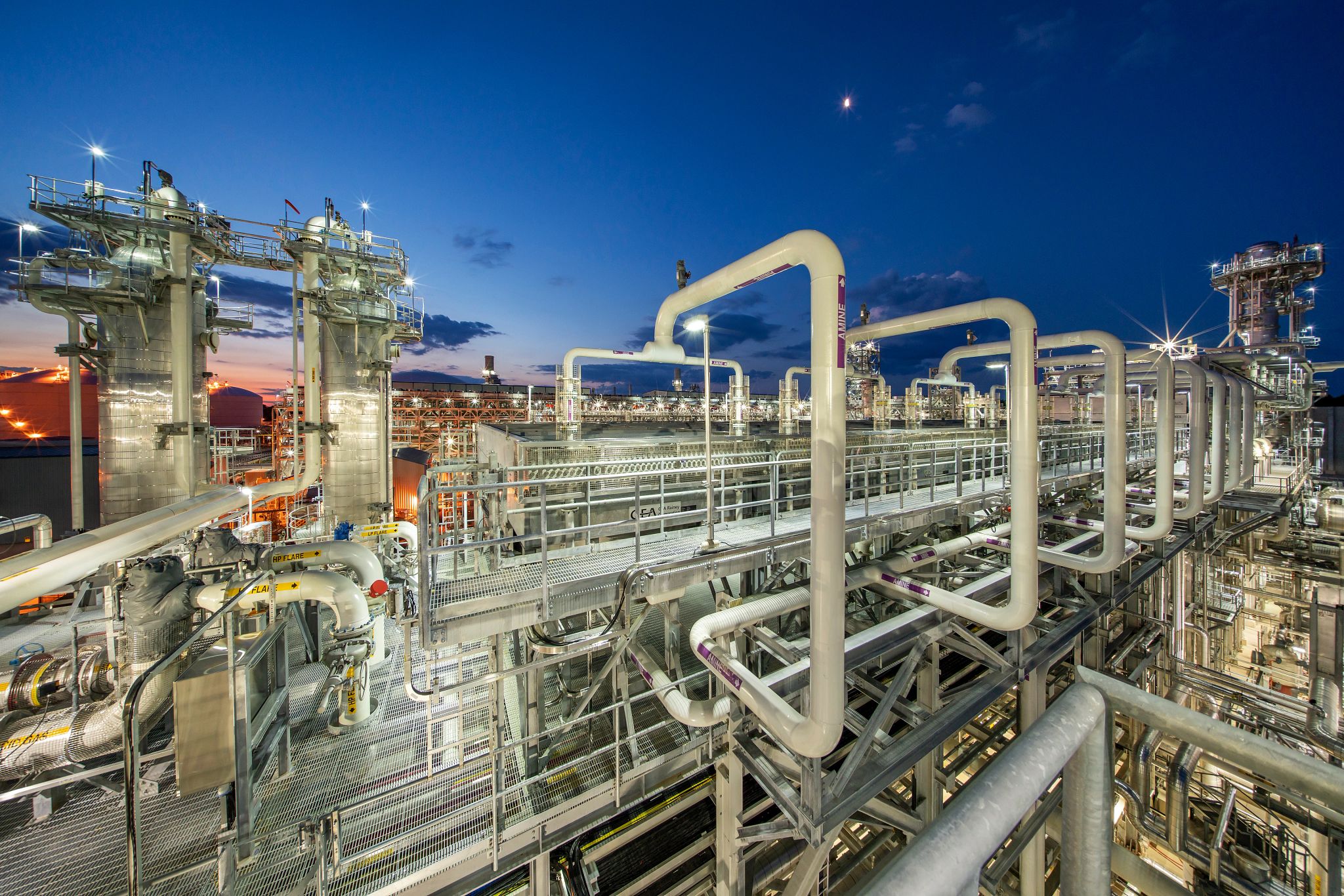
In 2015, the company began construction on Cove Point, a megaproject that converted an LNG import facility into an export terminal in Lusby, Maryland.
That same year, Kiewit formalized its presence in Mexico by opening a new office in Queretaro.
While Kiewit and its subsidiaries have worked on many industrial projects throughout history, the company designated industrial as an official market in 2018, formalizing a dedicated organization to support the growing and diverse market.
Expanding Capabilities, Driving Innovation
Following a disaster at the nation’s tallest dam, Kiewit quickly mobilized to complete the Oroville Spillways Emergency Recovery Project in California (2019), rebuilding two massive spillways in under 18 months.
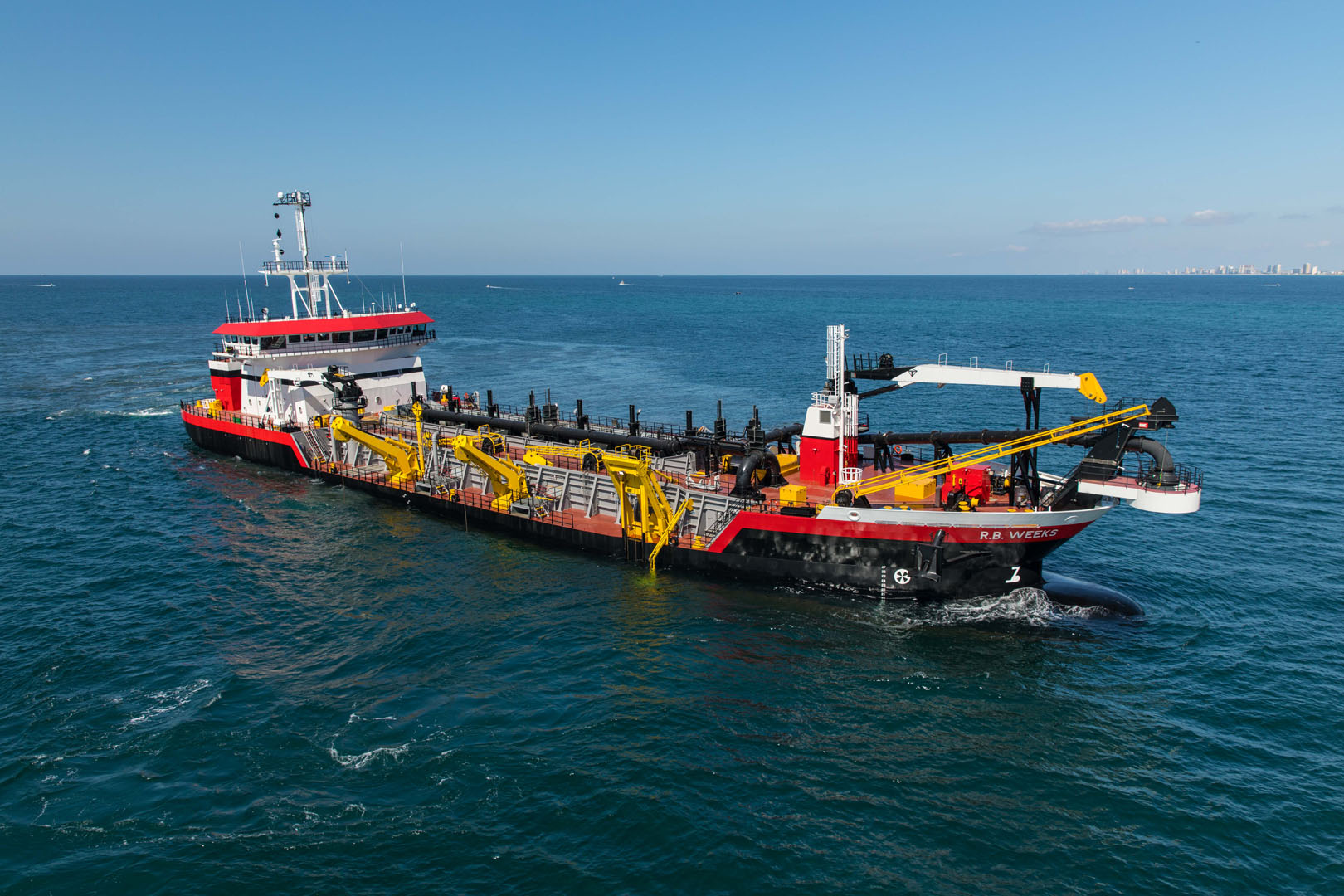
Kiewit acquired Weeks Marine, Inc. in 2023, further expanding its marine construction and dredging capabilities.
Kiewit Power Constructors also completed the EPC contract for Primergy’s Gemini project outside Las Vegas, Nevada in 2023. It is one of the largest solar facilities in the U.S., with the capacity to power up to 260,000 homes.