Thermal Hydrolysis
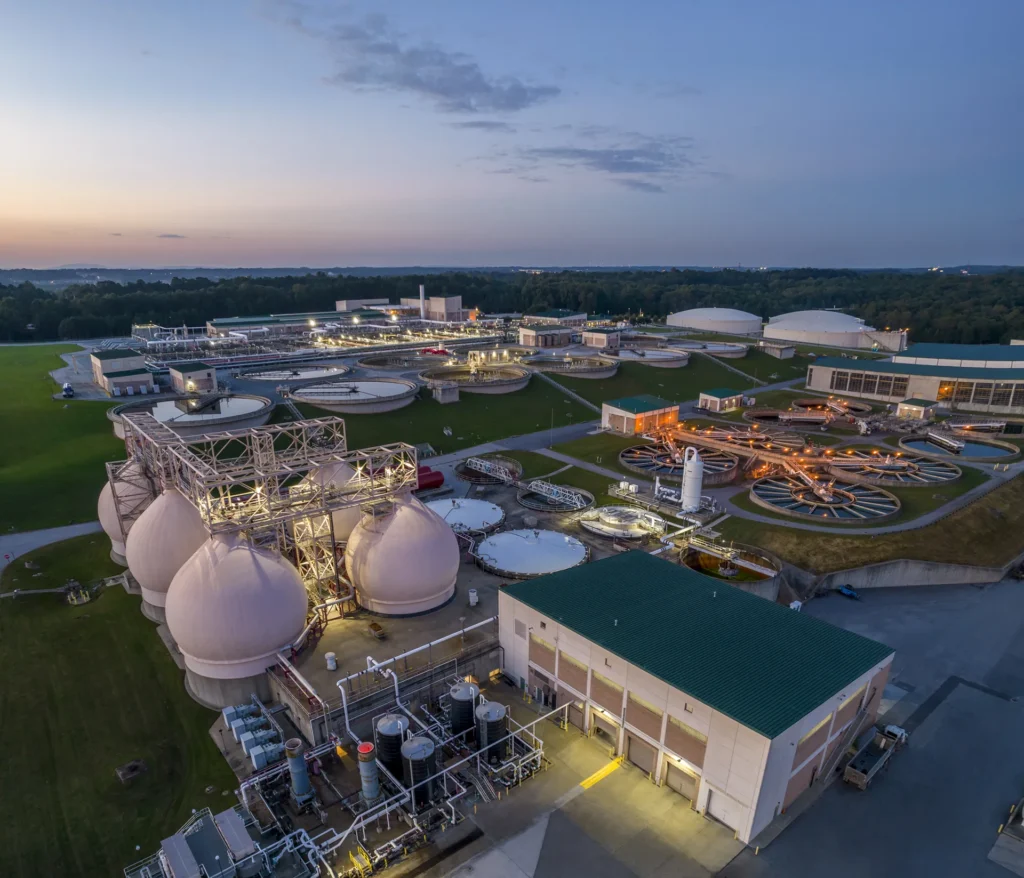
Thermal Hydrolysis
Transforming wastewater treatment efficiency.
Integrated Solutions for Thermal Hydrolysis
Thermal hydrolysis is a high‑temperature, high‑pressure pre‑treatment that accelerates anaerobic digestion — reducing waste volume, increasing biogas yields and delivering Class A biosolids. Kiewit works hand in hand with owners to integrate this next‑generation process into wastewater infrastructure to unlock sustainable value and operational efficiencies.

Benefits of Thermal Hydrolysis
High-Temperature Treatment
Thermal Hydrolysis Process (THP) Treatment processes sludge at 320°F (160°C) under high pressure for approximately 30 minutes, breaking down complex organic compounds and converting them into simple soluble substrates, and destroying harmful pathogens.
Enhanced Biogas Production
Increases biogas yields significantly compared to conventional anaerobic digestion, providing valuable energy for electricity, renewable gas generation and heat recovery for THP systems.
Class A Biosolids
Produces high-quality Class A biosolids, very low in odor, that can be used as organic fertilizers and soil amendments, potentially creating additional revenue streams.
How Thermal Hydrolysis Works
Sludge Collection & Screening
Organic waste from wastewater treatment is collected and screened to remove debris.
Thermal Hydrolysis Process (THP) Treatment
High-pressure, high-temperature processing breaks down organic matter, destroys pathogens, and prepares material for digestion. THP also dramatically decreases the viscosity of the liquid, making it easier to pump and mix.
Energy Recovery
Captured biogas is higher in methane content and lower in hydrogen sulfide content than biogas from conventual digestion, and can be used for electricity generation, renewable natural gas (RNG) production and heat recovery for the THP system.
Dewatering
Sludge is partially dewatered to remove the digester volume, optimizing the material for treatment.
Anaerobic Digestion
Pretreated sludge is easier to digest and is much more completely metabolized as it undergoes anaerobic digestion, producing more biogas than conventional methods.
Final Solids Processing
The remaining solids are further processed into Class A biosolids, which dewater extremely well, are uniform in nature, and can be used as organic fertilizers and soil amendments.
Why Thermal Hydrolysis Matters
Accelerated Treatment
THP achieves complete disintegration and hydrolysis which are the rate-limiting steps in anaerobic digestion in just 30 minutes; in a conventional anaerobic digester those two steps can take weeks. A key benefit is much smaller digester volumes.
Enhanced Biogas Production
By breaking down more organics into simple soluble molecules, bacterial metabolism is much more complete, and facilities see higher biogas yields.
Reduced Waste Volume
Less sludge means lower hauling costs and smaller storage footprints.
Sustainable Value Creation
Delivers ROI through Class A biosolids, biogas and renewable energy credits, making it a financially viable option.
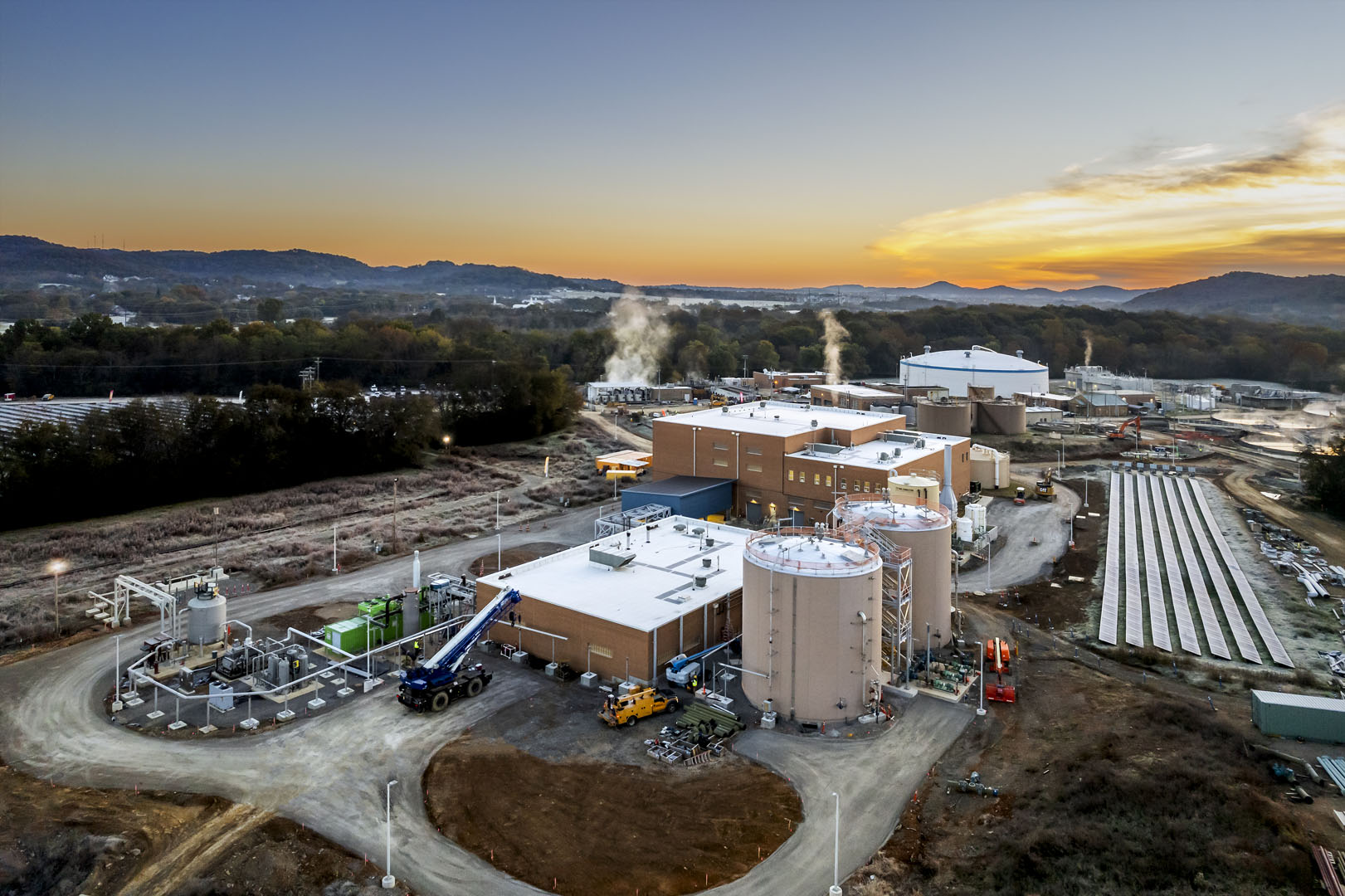
Navigating Thermal Hydrolysis
At the Franklin WRF in Tennessee, Kiewit helped the facility navigate staffing and operational hurdles to ensure seamless integration.
Ready to Transform Your Wastewater Treatment?
Connect with our team about engineering and construction support on your next water infrastructure project.
For vendor or supplier partnerships and all other inquiries, please visit our contact us page.